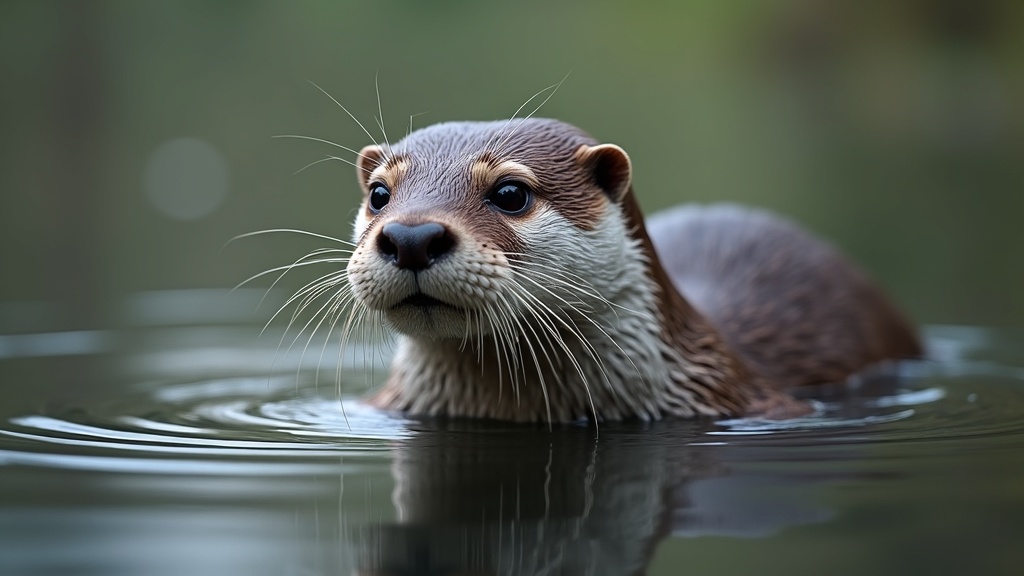
Fresh water otter species are vital indicators of healthy aquatic ecosystems, and understanding their behavior and habitat needs is essential for effective conservation. This article explores the characteristics, ecological roles, and challenges facing these remarkable mammals.
Table of Contents
- What Is a Fresh Water Otter? Species and Identification
- Habitat and Distribution of Freshwater Otters
- Diet and Foraging Behavior
- Conservation Status and Threats
- Frequently Asked Questions
- Comparison of Fresh Water Otter Species
- Practical Tips for Otter Conservation
- Final Thoughts on Fresh Water Otter
Key Takeaway
Fresh water otter is a semi-aquatic mammal that serves as a top predator in rivers, lakes, and wetlands. Their presence signals good water quality and rich biodiversity. Conservation efforts focus on habitat protection, pollution control, and restoring riparian zones to support healthy otter populations.
Fresh Water Otter in Context
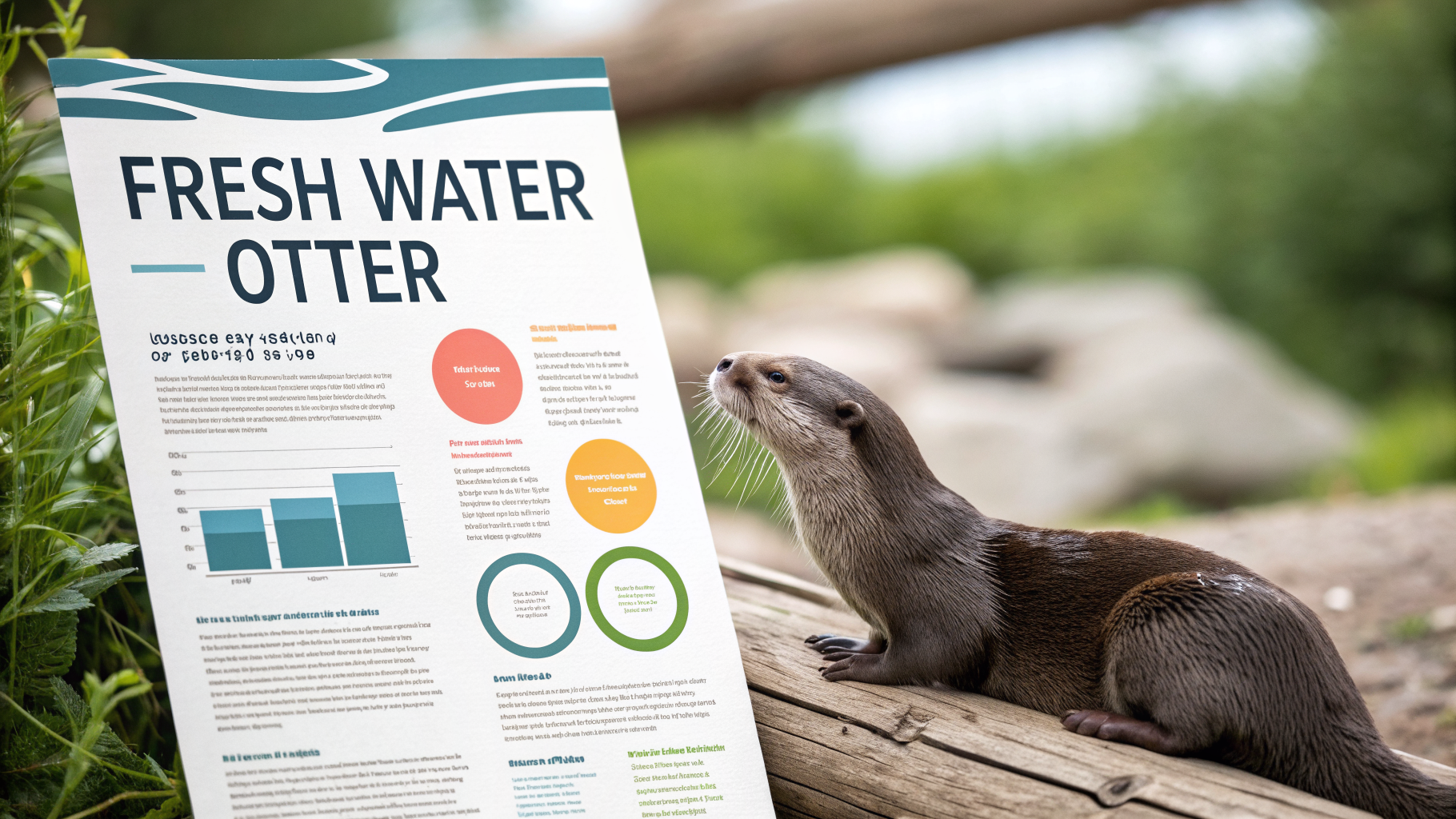
- An adult North American river otter typically weighs between 11 and 30 pounds (National Wildlife Federation, 2025)[1]
- River otters can swim at speeds of up to 7 miles per hour in freshwater habitats (National Forest Foundation, 2024)[2]
- In the United States, river otters are present in every state except Hawaii (U.S. Fish and Wildlife Service, 2024)[3]
- Eurasian otters can consume up to 15 percent of their body weight in food per day (BBC Earth, 2024)[4]
What Is a Fresh Water Otter? Species and Identification
Fresh water otter refers to any of the 13 recognized otter species worldwide that primarily inhabit freshwater environments such as rivers, lakes, and wetlands (Treehugger, 2024)[5]. The most well-known species include the North American river otter (Lontra canadensis), the Eurasian otter (Lutra lutra), and the neotropical otter (Lontra longicaudis). These aquatic mammals are easily recognized by their streamlined bodies, webbed feet, and thick, water-repellent fur that keeps them warm in cold water.
Adult North American river otters usually reach a total body length of 3 to 4 feet including the tail (National Wildlife Federation, 2025)[1]. Their long, muscular tails serve as rudders while swimming, and their short legs end in fully webbed paws that propel them through the water with remarkable agility. In the United States, river otters are found in 49 states, with Hawaii being the only state lacking a native freshwater otter population (U.S. Fish and Wildlife Service, 2024)[3].
Identification in the field relies on several key traits. Freshwater otters have a distinctive, elongated body shape that is often described as serpentine when swimming. Their fur is typically dark brown on the back and lighter on the belly, with a slightly paler throat patch. The Eurasian otter, for example, has a white or cream-colored bib on its throat that helps distinguish it from other species. Unlike sea otters, freshwater otter species spend most of their time in inland waterways and seldom venture into saltwater environments.
Key Physical Adaptations
Freshwater otters possess several adaptations that make them exceptional swimmers. Their nostrils and ears close automatically when submerged, allowing them to dive and hunt underwater without taking in water. River otters are capable of diving to depths of about 60 feet while foraging in lakes and rivers (National Forest Foundation, 2024)[2]. Their whiskers, or vibrissae, are highly sensitive and detect vibrations in the water, helping them locate prey even in murky conditions. These adaptations have evolved over millions of years, making otters one of the most efficient aquatic predators in freshwater ecosystems.
Habitat and Distribution of Freshwater Otters
Fresh water otter species occupy diverse aquatic habitats across every continent except Australia and Antarctica. They prefer rivers, streams, lakes, marshes, and coastal estuaries with abundant vegetation and stable banks for denning. Dens, often called holts, are typically located in tree roots, rock crevices, or abandoned beaver lodges near the water’s edge. Eurasian otters in the UK have home ranges that can extend 20 to 40 kilometers along rivers or coasts (BBC Earth, 2024)[4], demonstrating the large territories these animals require to find sufficient food.
The distribution of freshwater otters is closely tied to water quality. As Dr. Nicole Duplaix, Chair of the IUCN-SSC Otter Specialist Group, explains: “Freshwater otters are top predators in rivers and wetlands, so their presence is a reliable indicator of a healthy, well‑functioning freshwater ecosystem.”[6] This makes otters excellent bioindicators for conservationists monitoring river health. Dr. Jim Robertson, a mammal ecologist with the Scottish Wildlife Trust, adds: “Where you still have resident Eurasian otters along rivers and lochs, you almost always have good water quality and structurally complex banks that support a wide range of freshwater life.”[7]
Habitat loss remains a significant challenge for many freshwater otter populations. Urban development, dam construction, and agricultural runoff degrade riparian zones and reduce prey availability. In some regions, otters have adapted to living in human-modified landscapes, such as canals and reservoirs, but these habitats often lack the structural complexity needed for successful breeding. Conservation efforts increasingly focus on restoring riverbank vegetation and creating wildlife corridors that connect fragmented otter habitats.
Diet and Foraging Behavior
Freshwater otters are carnivorous predators with a diet that primarily consists of fish, crayfish, amphibians, and occasionally small mammals or birds. Their foraging behavior is highly opportunistic, and they adjust their prey selection based on seasonal availability. Dr. Alexa K. Kien, a freshwater ecologist with the U.S. Fish and Wildlife Service, notes: “By consuming fish, crayfish, amphibians and other prey, freshwater otters help regulate food webs and can buffer some of the ecological impacts of invasive species in rivers and wetlands.”[8] This ecological role makes otters important players in maintaining balance within freshwater ecosystems.
Otters are primarily crepuscular, meaning they are most active during dawn and dusk. They use their keen sense of smell and sensitive whiskers to detect prey underwater. When hunting, a freshwater otter can hold its breath for up to eight minutes, allowing it to thoroughly search underwater crevices and vegetation. Their powerful jaws and sharp teeth enable them to crush the exoskeletons of crayfish and the bones of fish with ease. Dr. Kim Poole, a wildlife biologist in British Columbia, observes: “North American river otters are extremely adaptable, but they still depend on an abundance of unpolluted freshwater habitats with ample fish and invertebrates to thrive.”[9]
In colder months, otters must increase their food intake to maintain body heat. Eurasian otters can consume up to 15 percent of their body weight in food per day to meet energetic demands in cold freshwater environments (BBC Earth, 2024)[4]. This high metabolic rate means otters spend a significant portion of their day foraging, often traveling several kilometers along waterways in search of prey. Their feeding habits can also benefit other species, as partially eaten carcasses provide food for scavengers such as raccoons, birds, and insects.
Conservation Status and Threats
While some freshwater otter populations have rebounded in recent decades, many species remain threatened by habitat destruction, pollution, and human disturbance. Dr. Kate Sales, a conservation scientist with The Wildlife Trusts in the UK, explains: “The comeback of Eurasian otters in Britain over the last few decades mirrors improvements in our rivers, but many freshwater otter populations across Europe and Asia are still highly vulnerable to pollution, water abstraction and habitat loss.”[10] This mixed picture highlights the ongoing need for targeted conservation measures.
Key threats to freshwater otters include:
- Water pollution: Pesticides, heavy metals, and industrial chemicals accumulate in otters’ prey, leading to reproductive issues and weakened immune systems.
- Habitat fragmentation: Dams, roads, and urban development isolate otter populations, reducing genetic diversity and limiting access to food sources.
- Climate change: Altered precipitation patterns and increased drought frequency reduce water levels in rivers and wetlands, making it harder for otters to find suitable habitat.
Conservation successes, such as the recovery of Eurasian otters in the UK, demonstrate that targeted action can make a difference. Pollution controls, river restoration projects, and legal protections have allowed otter populations to recolonize many waterways. However, continued vigilance is necessary, as emerging threats like microplastic pollution and invasive species pose new challenges. The IUCN Otter Specialist Group’s conservation priorities emphasize the importance of long-term monitoring and international cooperation to protect these charismatic animals.
Important Questions About Fresh Water Otter
What is the difference between a fresh water otter and a sea otter?
Fresh water otter species, such as the North American river otter and Eurasian otter, primarily inhabit inland rivers, lakes, and wetlands. They are generally smaller than sea otters, with more streamlined bodies adapted for swimming in current. Sea otters are larger, have thicker fur, and spend almost their entire lives in saltwater environments. Additionally, sea otters are known for using tools like rocks to open shellfish, a behavior not commonly observed in freshwater otters.
How can I tell if a fresh water otter lives in my local river?
Signs of freshwater otter presence include tracks with five toes and webbing, droppings (called spraints) that contain fish bones and scales, and slides along muddy banks where otters enter the water. You may also hear their high-pitched whistles or chirps, especially during dawn or dusk. If you observe these signs consistently, it is likely that otters are using the waterway. Always observe from a distance and avoid disturbing their habitat.
What do freshwater otters eat in the wild?
Freshwater otters are carnivorous and feed primarily on fish, crayfish, amphibians, and occasionally small mammals or birds. Their diet varies by season and location. For example, North American river otters often hunt slow-moving fish like catfish and suckers, while Eurasian otters prefer eels and salmonids. Otters play a crucial role in controlling prey populations and can help reduce the spread of invasive species in freshwater ecosystems.
Are freshwater otters endangered?
Conservation status varies by species and region. The North American river otter is listed as Least Concern by the IUCN, with stable populations in many areas. However, the Eurasian otter is considered Near Threatened in parts of its range, and some Asian species like the hairy-nosed otter are Endangered. Habitat loss, pollution, and poaching remain significant threats. In the UK, otter populations have recovered due to improved water quality and legal protections, but many freshwater otter species globally still require active conservation efforts.
Comparison of Fresh Water Otter Species
Understanding the differences between major freshwater otter species can help conservationists and wildlife enthusiasts identify and protect them effectively. The table below compares key characteristics of three common species.
| Species | Average Weight | Primary Habitat | Conservation Status |
|---|---|---|---|
| North American River Otter | 11–30 lb (5–14 kg) | Rivers, lakes, wetlands across North America | Least Concern |
| Eurasian Otter | 15–25 lb (7–11 kg) | Rivers, streams, coasts across Europe and Asia | Near Threatened |
| Neotropical Otter | 10–20 lb (4.5–9 kg) | Rivers, wetlands in Central and South America | Data Deficient |
Each species faces unique pressures based on its geographic range and the specific threats present in its environment. While the North American river otter benefits from relatively strong legal protections, the Eurasian otter continues to struggle with habitat fragmentation in densely populated regions of Europe and Asia.
Practical Tips for Otter Conservation
Individual actions can contribute to the protection of freshwater otter populations and their habitats. Here are several actionable recommendations:
- Reduce water pollution: Avoid using chemical pesticides and fertilizers near waterways. Properly dispose of household chemicals and medications to prevent them from entering rivers and lakes.
- Support riparian restoration: Plant native trees and shrubs along riverbanks to stabilize soil, provide cover for otters, and improve water quality. Participate in local stream clean-up events.
- Report otter sightings: If you see a fresh water otter in your area, report it to local wildlife authorities or conservation groups. This data helps researchers track population trends and identify important habitats.
- Promote responsible recreation: When kayaking, fishing, or hiking near waterways, keep a respectful distance from otter dens and avoid disturbing otters during breeding season. Dogs should be kept on leashes to prevent harassment.
- Advocate for clean water policies: Support legislation that protects freshwater ecosystems from industrial pollution, dam construction, and excessive water extraction. Contact your local representatives to express support for river conservation funding.
For more about Fresh water otter, see discover fresh water otter insights.
Final Thoughts on Fresh Water Otter
Fresh water otter species are more than just charismatic animals – they are sentinels of river health and vital components of freshwater biodiversity. Their presence indicates clean water and thriving ecosystems, while their decline warns of environmental degradation. By understanding their habitat needs, diet, and the threats they face, we can take meaningful steps to protect these remarkable mammals. Whether through supporting conservation organizations, reducing personal pollution, or simply appreciating otters from a distance, every action counts.
Further Reading
- North American River Otter. National Wildlife Federation.
https://www.nwf.org/Educational-Resources/Wildlife-Guide/Mammals/North-American-River-Otter - Seven Quick Facts About River Otters. National Forest Foundation.
https://www.nationalforests.org/article/seven-quick-facts-about-river-otters - U.S. Fish and Wildlife Service. River Otter Distribution (via educational video).
https://www.youtube.com/watch?v=KF-CLVUyCds - BBC Earth. Eurasian Otter Facts (via factual video transcript).
https://www.youtube.com/watch?v=ulD0ODUxTZ8 - Treehugger. Fascinating Facts About Otters.
https://www.treehugger.com/fascinating-facts-about-otters-4869357 - IUCN Otter Specialist Group. Conservation priorities for otters in a changing climate.
https://www.iucnosgbull.org/Volume41/duplaix_otter_conservation_climate - Scottish Wildlife Trust. Why recovering otter populations matter for Scotland’s freshwater ecosystems.
https://scottishwildlifetrust.org.uk/articles/otters-and-freshwater-ecosystems - U.S. Fish and Wildlife Service. Top predators in trouble: conserving river otters and other freshwater carnivores.
https://www.fws.gov/story/top-predators-river-otters-freshwater-ecosystems - Province of British Columbia. Status of river otters in British Columbia’s freshwater systems.
https://www2.gov.bc.ca/assets/gov/environment/species-at-risk/river-otter-freshwater-status-2025.pdf - The Wildlife Trusts. Otters and the state of our rivers.
https://www.wildlifetrusts.org/blog/otters-and-state-our-rivers