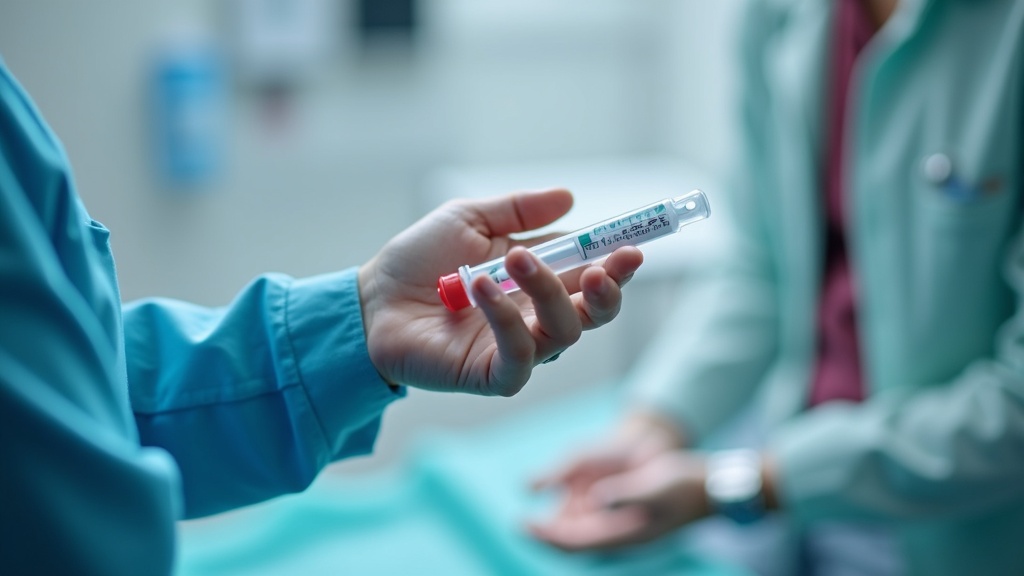
Phlebotomy training is the essential first step toward a rewarding healthcare career. This guide covers program types, costs, certification requirements, and career outlook for aspiring phlebotomists.
Table of Contents
- What Phlebotomy Training Entails
- Program Formats and Duration
- Certification and Career Advancement
- How AI and Technology Are Transforming Phlebotomy Training
- Frequently Asked Questions
- Program Comparison
- Practical Tips for Success
Quick Stats: Phlebotomy Training
- WellSpan Health’s program delivers 235 total hours (classroom and clinical) for $900 tuition (WellSpan Health)[1]
- Stony Brook Medicine requires 190 total hours: 45 lecture, 45 lab, 100 clinical rotation (Stony Brook Medicine)[2]
- Kaiser Permanente’s program totals 288 hours over 9 weeks (Kaiser Permanente)[3]
Introduction
Phlebotomy training opens the door to a vital healthcare role. As demand for diagnostic testing grows, trained phlebotomists are needed in hospitals, clinics, and laboratories. This article explores what phlebotomy training involves, how to choose the right program, certification pathways, and how emerging technologies like AI are reshaping training methods.
What Phlebotomy Training Entails
Phlebotomy training covers the theory and practice of blood collection, specimen handling, and patient interaction. Most programs include classroom instruction, laboratory practice on simulation arms, and supervised clinical rotations. Catherine Gropper, Program Director for the Phlebotomy Training Program at Stony Brook University Hospital, emphasizes that “high‑quality phlebotomy training must combine intensive classroom instruction with supervised clinical experience so students develop both technical competence and confidence in patient interactions.”[2]
Core topics typically include anatomy of the circulatory system, venipuncture techniques, infection control, and proper labeling of specimens. Students learn to use equipment such as needles, tourniquets, and vacuum tubes. A typical hospital-based program like WellSpan Health’s “seven‑week phlebotomy training program is designed to prepare students not only to pass a national certification exam, but to function safely and effectively in a busy clinical laboratory setting from day one,” according to program faculty.[1]
Program Formats and Duration
Phlebotomy training programs come in several formats: hospital-based, community college certificate courses, and online options with in-person externships. Duration varies widely, from five weeks at the Midwest Technical Institute (125 clock hours) to nine weeks at Kaiser Permanente (288 hours).[3] Online programs such as Penn Foster’s allow up to 12 months for completion and include a 40-hour externship.[4]
When choosing a program, consider total instructional hours, clinical exposure, tuition cost, and preparation for national certification. For example, WellSpan Health’s 7-week program costs $900, while a community college course may cost more but include additional support services. The structure of phlebotomy training should align with your schedule and career goals.
Some students prefer an accelerated blood draw certification course to enter the workforce quickly. Others seek comprehensive venipuncture instruction with extensive hands-on practice. It is essential to verify that a program meets state and national standards for phlebotomy education.
Certification and Career Advancement
After completing phlebotomy training, graduates can sit for national certification exams such as those offered by the American Society for Clinical Pathology (ASCP) or the National Healthcareer Association (NHA). Certification is often required by employers and can lead to higher pay and more opportunities. Providence’s Phlebotomy Training Program states its commitment “to provide highly qualified phlebotomists to the healthcare community, with training that meets Washington State licensure and national certification requirements.”[5]
The demand for phlebotomists is projected to grow, with opportunities in hospitals, diagnostic labs, blood donation centers, and outpatient clinics. Continuing education and specialization in areas such as pediatric phlebotomy or donor collection can further advance a career. Many employers also seek candidates with a phlebotomy technician certification and experience using electronic health record systems.
How AI and Technology Are Transforming Phlebotomy Training
Technology is increasingly integrated into medical training, and phlebotomy is no exception. Virtual reality simulators, AI-powered feedback systems, and online platforms allow students to practice venipuncture techniques in a risk-free environment. Penn Foster’s online phlebotomy technician program “balances flexible digital coursework with hands‑on experience through simulations and an externship, ensuring learners are prepared to sit for national certification and perform blood collection procedures safely.”[4]
More advanced applications involve training machine learning models to analyze blood samples and predict patient outcomes. For healthcare professionals interested in this area, exploring specialized courses in medical informatics or data science can complement traditional phlebotomy education and open new career paths in laboratory informatics.
As simulation technology advances, the gap between classroom theory and real-world practice continues to narrow. These innovations enhance the quality of phlebotomy training and improve patient safety.
Your Most Common Questions
How long does phlebotomy training usually take?
Program duration ranges from 5 to 12 weeks depending on format and hours required. Intensive hospital-based programs like WellSpan’s are 7 weeks, while some community college courses last a full semester. Online programs often allow up to 12 months for completion, including an externship. The total instructional hours vary, with typical requirements between 100 and 300 hours.
Do I need certification after phlebotomy training?
While certification is not always mandatory, most employers prefer or require a national credential such as the ASCP Phlebotomy Technician (PBT) exam. Certification demonstrates competence and can improve job prospects and salary. Programs that include externships and exam preparation give graduates a competitive edge.
Can I complete phlebotomy training online?
Yes, many schools offer online phlebotomy training with digital coursework and virtual simulations. However, hands-on clinical experience is required for certification. Online programs typically arrange a local externship or require students to find a clinical site. Penn Foster and other institutions provide a hybrid model combining online learning with in-person practice.
How much does phlebotomy training cost?
Costs vary widely. WellSpan Health’s program is $900 for 7 weeks. Midwest Technical Institute offers a 5-week course for around $775. At the high end, New Beginnings Adult Learning Center lists total costs near $3,540. Community college programs may cost $1,500–$3,000 plus fees. Financial aid and payment plans are often available.
Program Comparison
Choosing the right phlebotomy training program depends on your budget, timeline, and learning style. The table below compares key features of three common program types.
| Program Type | Typical Duration | Approximate Cost | Hands-On Hours |
|---|---|---|---|
| Hospital-Based (e.g., WellSpan) | 7 weeks | $900 | 150 clinical + 85 classroom |
| Community College (e.g., Kaiser) | 9 weeks | $2,000–$3,000 | 160 clinical + 128 theory/lab |
| Online (e.g., Penn Foster) | Up to 12 months | $1,200–$1,500 | 40 externship |
Each format has trade-offs. Hospital programs offer intensive immersion, community colleges provide academic structure, and online options give flexibility. Compare your phlebotomy training options carefully.
Practical Tips for Success
To make the most of your phlebotomy training, consider these actionable strategies:
- Verify program accreditation and certification pass rates before enrolling. Look for programs approved by NAACLS or state health departments.
- Seek programs that offer ample clinical rotation hours; real-world practice is invaluable for skill building and confidence.
- Supplement coursework with online resources and practice. Explore reputable phlebotomy study guides and practice tests to reinforce learning.
- Start networking early. Join professional associations like the American Society for Clinical Pathology and attend local healthcare job fairs.
- Stay current with technology. Some programs now incorporate simulation software; explore digital tools to supplement your education.
For more about Ai training tips, see find ai training tips resources.
Final Thoughts on Phlebotomy Training
Phlebotomy training is the gateway to a stable and meaningful healthcare career. With diverse program options, strong job demand, and increasing integration of technology, now is an excellent time to pursue this path. For more information on navigating the healthcare field, consult reputable sources such as the Bureau of Labor Statistics or the National Phlebotomy Association.
Useful Resources
- WellSpan Health Phlebotomy Training Program.
https://www.wellspan.org/for-healthcare-professionals/education-and-development/professional-training/phlebotomy-training - Stony Brook Medicine Phlebotomy Training Program.
https://healthprofessions.stonybrookmedicine.edu/programs/clinical/ptp - Kaiser Permanente School of Allied Health Sciences Phlebotomy Certificate.
https://kpsahs.edu/academics/all-programs/phlebotomy-cert - Penn Foster Online Phlebotomy Technician Program.
https://www.pennfoster.edu/programs/healthcare/phlebotomy-technician-career-diploma - Providence Phlebotomy Training Program.
https://gme.providence.org/washington/pastoral-and-laboratory-programs/laboratory-medicine-education-programs/phlebotomy-training-program/