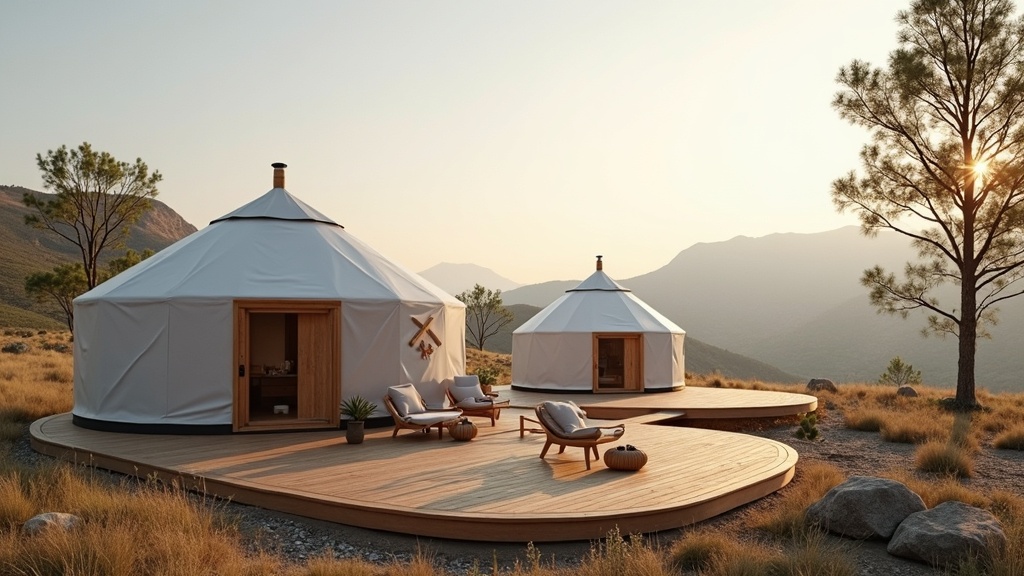
Discover everything you need to know about modern yurts, from their innovative design and cost breakdown to practical tips for year-round living and glamping use.
Table of Contents
- What Defines a Modern Yurt
- Structural Types and Design Innovations
- Cost Breakdown of Modern Yurts
- Modern Yurts for Glamping and Year-Round Use
- Frequently Asked Questions
- Comparison of Yurt Approaches
- Practical Tips for Choosing a Modern Yurt
- Final Thoughts on Modern Yurts
Key Takeaway: Modern yurts are semi-permanent, circular dwellings that blend ancient Mongolian design with contemporary materials and engineering. They offer a versatile middle ground between tent camping and traditional cabins, suitable for glamping, full-time housing, or guest spaces, with costs ranging from 3,500 to over 20,000 euros depending on features.
Quick Stats: Modern Yurts
- Entry-level modern yurts without full utilities typically cost between 3,500 and 4,500 euros in Europe (Gira, 2025)[1]
- Modern yurts equipped with sanitation and heating generally start at a minimum price of 6,000 euros (Gira, 2025)[1]
- Basic modern yurt accommodations listed on Glamping.com typically sleep between 2 and 6 guests per unit (Glamping.com, 2025)[2]
- Many commercial modern yurts are advertised as all-season structures with year-round availability across 4 seasons (Glamping.com, 2025)[2]
Modern yurts have emerged as a compelling housing option for those seeking simplicity, affordability, and a connection to nature without sacrificing comfort. These structures, inspired by the portable dwellings of Central Asian nomads, now incorporate advanced insulation, durable materials, and customizable interiors. Whether you are considering a yurt for a glamping business, a backyard studio, or a full-time home, understanding the nuances of design, cost, and practical use is essential. This guide explores the key aspects of modern yurts, from structural innovations to budgeting, and provides actionable advice for making an informed decision.
What Defines a Modern Yurt
Modern yurts represent a significant evolution from their traditional felt-covered ancestors. As Dan Kagan, Founder and CEO of Colorado Yurt Company (Secret Creek), notes, “Modern yurts have evolved far beyond their nomadic origins, combining advanced materials and engineering with the timeless circular form to create comfortable, efficient year-round dwellings.”[3] Unlike traditional yurts, which used wool felt and animal hides, modern versions employ materials such as marine-grade canvas, structural insulated panels (SIPs), and high-performance glazing. The circular shape remains central, offering aerodynamic benefits against wind and efficient use of interior space. Contemporary yurts often feature wooden lattice walls, a compression ring at the top, and a tension band that provides structural integrity. This design allows for large open interiors without internal support columns, making them versatile for various uses. The evolution has been driven by a desire for sustainable, low-impact living that does not compromise on modern amenities. Bill Coperthwaite, an educator and designer credited with pioneering modern yurts in North America, emphasized that “the modern yurt is not just a shelter but a way to explore how simple structures can support a rich and thoughtful life, using minimal resources and maximum care in design.”[4]
Key Features of Modern Yurts
Modern yurts are distinguished by several key features that set them apart from both traditional yurts and conventional buildings. First, they are semi-permanent structures, meaning they can be assembled on a platform and disassembled if needed, offering flexibility in location. Second, they are designed for year-round use, with insulation options ranging from reflective barriers to spray foam. Third, modern yurts can accommodate a wide range of interior layouts, including separate sleeping and living zones. As noted by the Colorado Yurt Company, their modern yurts are designed with multiple floor plan options, often using diameters between 16 and 30 feet[3]. This flexibility makes them suitable for everything from a cozy guest retreat to a spacious family home. Additionally, modern yurts can integrate utilities such as electricity, plumbing, and heating, transforming them into comfortable living spaces. The use of durable, weather-resistant materials ensures longevity, with many yurts lasting decades when properly maintained. For those interested in exploring specific models and designs, the dragonyurts guide provides detailed comparisons and recommendations.
Structural Types and Design Innovations
Modern yurts in North America are broadly categorized into three main structural types: traditional fabric yurts, tapered-wall yurts, and more robust cabin-style yurts (Field Mag, 2024)[4]. Traditional fabric yurts are the most common, featuring a wooden lattice frame covered with a durable fabric membrane, often canvas or vinyl. These are lightweight, relatively affordable, and easy to set up. Tapered-wall yurts, sometimes called “ger-style,” have walls that slope inward, creating a more aerodynamic shape and a distinct aesthetic. Cabin-style yurts are the most permanent, using structural insulated panels or timber framing to create a solid, insulated structure that resembles a small cabin but retains the circular form. Each type has its advantages depending on the intended use, climate, and budget. Design innovations have also focused on improving insulation, ventilation, and energy efficiency. Contemporary yurt interiors now integrate high-performance insulation, efficient heating, and custom finishes, as noted by the Pacific Yurts Design Team[5]. These advancements make modern yurts viable for full-time living in diverse climates, from snowy mountains to desert heat. The Gira Architecture Editorial Team further explains that “inspired by a Mongolian tradition, contemporary yurt houses are focused on the essential – without cutting back on convenience.”[1]
Materials and Durability
The materials used in modern yurts are critical to their performance and lifespan. The lattice wall is typically made from kiln-dried wood, such as spruce or cedar, which is resistant to rot and insects. The roof structure includes rafters that connect the lattice wall to a central compression ring, often made of steel or hardwood. The outer cover is usually a heavy-duty fabric treated for UV resistance, waterproofing, and fire retardancy. Many manufacturers offer additional insulation layers, such as reflective foil or foam, that can be installed between the frame and the cover. For the floor, a wooden deck or concrete slab is common, providing a stable base. YurtSpaces notes that modern engineering has enabled many contemporary yurts to be used as long-term housing, with lifespans often measured in decades when properly maintained[6]. This durability is a key factor driving their popularity for both residential and commercial applications. The combination of traditional circular design and modern materials results in a structure that is both aesthetically pleasing and highly functional.
Cost Breakdown of Modern Yurts
Understanding the cost of modern yurts is essential for budgeting, whether for a personal retreat or a glamping business. Prices vary widely based on size, materials, and included features. Entry-level modern yurts without full utilities typically cost between 3,500 and 4,500 euros in Europe (Gira, 2025)[1]. For those requiring sanitation and heating, the starting price climbs to at least 6,000 euros[1]. Modern yurts offering higher living comfort commonly cost around 10,000 euros or more before optional luxury upgrades[1]. Luxury modern yurts with proper flooring and electric heating can reach roughly double the cost of mid-range models, i.e., around 20,000 euros[1]. In the U.S., entry-level prices for commercially produced modern yurts often start at roughly 10,000 dollars for standard sizes without extensive customization (Pacific Yurts, 2024)[5]. These prices typically include the yurt structure itself but may not cover the foundation, insulation, or interior finishes. Additional costs can include site preparation, permits, delivery, and installation. For those looking to use a yurt for glamping, the investment can be recouped through rental income, especially if the yurt is marketed as a unique, eco-friendly accommodation. The dragonyurts guide offers further insights into pricing and value for different models.
Factors Influencing Cost
Several factors influence the final cost of a modern yurt. Size is a primary driver, with larger diameters requiring more materials and labor. The type of insulation, quality of the cover fabric, and inclusion of windows and doors also affect the price. Custom features, such as kitchenettes, bathroom pods, or specialized flooring, can significantly increase costs. Location is another factor, as delivery and installation costs vary by region. Additionally, local building codes may require permits or specific structural modifications, adding to the expense. For those considering a yurt as a permanent home, it is important to factor in the cost of utilities, such as electrical wiring, plumbing, and septic systems. Despite these costs, modern yurts often represent a more affordable alternative to traditional housing, especially for those willing to do some of the assembly themselves. Many manufacturers offer kits that can be assembled by the owner, reducing labor costs.
Modern Yurts for Glamping and Year-Round Use
Modern yurts have become a cornerstone of the glamping industry, offering a unique blend of comfort and outdoor experience. Basic modern yurt accommodations typically sleep between 2 and 6 guests per unit (Glamping.com, 2025)[2], making them suitable for couples, families, or small groups. Many commercial yurts are advertised as all-season structures, with operational use across all four seasons[2]. This versatility allows glamping operators to offer year-round bookings, maximizing revenue. The interior of a glamping yurt can be furnished with beds, seating, lighting, and even heating, providing a cozy retreat in any weather. For full-time living, modern yurts offer a sustainable and minimalist lifestyle. They can be equipped with solar panels, composting toilets, and rainwater collection systems, reducing environmental impact. The open floor plan and circular design create a sense of spaciousness, even in smaller diameters. Field Mag’s editorial team notes that “modern yurts offer a compelling middle ground between tent camping and traditional cabins, providing semi-permanent, relatively low-impact structures that can be adapted to a wide range of climates and uses.”[4] This adaptability makes them an excellent choice for those seeking a simpler, more intentional way of living.
Practical Considerations for Living
Living in a modern yurt requires some adjustments compared to a conventional home. Insulation and heating are critical in cold climates, as the fabric walls can lose heat quickly if not properly insulated. Many owners opt for a wood stove or a propane heater, combined with a reflective insulation layer. Condensation can be an issue, so proper ventilation is essential. Installing a roof vent or using a dehumidifier can help manage moisture. For those interested in learning more about the practical aspects of yurt living, the how to train your dragon article offers additional tips and resources. Despite these challenges, many yurt dwellers find the lifestyle rewarding, citing lower costs, reduced environmental impact, and a deeper connection to nature. The key is to plan carefully, invest in quality materials, and understand the specific requirements of your climate.
Frequently Asked Questions
What is the average lifespan of a modern yurt?
When properly maintained, modern yurts can last for decades. YurtSpaces notes that modern engineering has enabled many contemporary yurts to be used as long-term housing, with lifespans often measured in decades when properly maintained[6]. The key to longevity is regular maintenance, including inspecting and treating the wood frame, replacing the fabric cover as needed (typically every 10-15 years), and ensuring the foundation remains level and dry. With proper care, a yurt can serve as a durable and comfortable living space for many years.
Can modern yurts be used in cold climates?
Yes, modern yurts can be used in cold climates, provided they are properly insulated and heated. Many modern yurts are designed with insulation options such as reflective foil, spray foam, or rigid foam panels. A wood stove or propane heater is commonly used for heating. Additionally, the circular shape of the yurt helps distribute heat evenly. It is also important to manage condensation by ensuring adequate ventilation. Many commercial yurts are advertised as all-season structures, with operational use across all four seasons[2], making them suitable for winter use with the right preparations.
How much does it cost to build a modern yurt?
The cost of a modern yurt varies widely based on size, features, and location. Entry-level models without utilities typically cost between 3,500 and 4,500 euros in Europe (Gira, 2025)[1]. Yurts with sanitation and heating start at around 6,000 euros, while comfort-oriented models cost around 10,000 euros or more. Luxury yurts with flooring and electric heating can reach 20,000 euros[1]. In the U.S., entry-level prices start at roughly 10,000 dollars (Pacific Yurts, 2024)[5]. Additional costs include site preparation, foundation, permits, and interior furnishings.
Are modern yurts suitable for full-time living?
Yes, modern yurts are increasingly used as full-time homes. With proper insulation, heating, and ventilation, they can be comfortable year-round. Many owners customize their yurts with kitchens, bathrooms, and separate sleeping areas. The open floor plan and circular design provide a unique living experience that many find appealing. However, it is important to check local building codes and zoning regulations, as some areas have restrictions on yurt dwellings. With careful planning and investment in quality materials, a modern yurt can be a viable and rewarding full-time residence.
Comparison of Yurt Approaches
Choosing the right type of modern yurt depends on your specific needs, budget, and intended use. The table below compares three common approaches, highlighting their key characteristics and typical applications.
| Approach | Best For | Typical Cost Range | Key Features |
|---|---|---|---|
| Fabric Yurt | Seasonal glamping, budget-friendly retreat | 3,500 – 6,000 euros | Lightweight, easy to assemble, requires insulation for cold weather |
| Insulated Yurt | Year-round glamping, weekend cabin | 6,000 – 10,000 euros | Added insulation, can include basic heating, more comfortable in diverse climates |
| Luxury Yurt | Full-time living, high-end glamping | 10,000 – 20,000+ euros | Custom finishes, flooring, electric heating, full utilities, long lifespan |
Practical Tips for Choosing a Modern Yurt
Selecting the right modern yurt involves careful consideration of several factors. First, define your primary use: will it be a seasonal glamping unit, a year-round home, or a backyard studio? This will guide your choices for insulation, heating, and interior finishes. Second, research local building codes and zoning regulations, as some areas have specific requirements for yurt structures. Third, set a realistic budget that includes not only the yurt itself but also site preparation, foundation, delivery, and installation. Fourth, consider the climate in your location and choose insulation and heating accordingly. For cold climates, a wood stove or propane heater combined with high-quality insulation is essential. Fifth, think about the interior layout and how you will use the space. Modern yurts can be customized with partitions, lofts, and built-in furniture. Sixth, read reviews and visit showrooms if possible to see the quality of materials and craftsmanship. Finally, consider the long-term maintenance requirements, such as replacing the fabric cover and treating the wood frame. By following these tips, you can make an informed decision and enjoy the many benefits of modern yurt living. For more detailed guidance, the dragonyurts guide is a valuable resource.
For more about Modern yurts, see find modern yurts resources.
Final Thoughts on Modern Yurts
Modern yurts represent a harmonious blend of ancient wisdom and contemporary innovation. They offer a unique opportunity to live simply, sustainably, and in closer connection with nature, without sacrificing comfort or convenience. Whether you are looking to start a glamping business, create a backyard retreat, or embrace a minimalist lifestyle, modern yurts provide a versatile and affordable solution. From their cost-effective entry-level models to luxurious fully-equipped homes, there is a yurt for every need and budget. As you explore your options, remember that the key to a successful yurt experience lies in careful planning, quality materials, and a clear vision of how you intend to use the space. For further inspiration and detailed product information, we invite you to explore the dragonyurts guide to find the perfect modern yurt for your needs.
Useful Resources
- Yurt homes: simple living with a modern twist. Gira.
https://www.gira.com/en/en/g-pulse-magazine/architecture/yurt-homes - Yurt Accommodations. Glamping.com.
https://www.glamping.com/accommodations/yurts/ - Discover Modern Yurt Living with Secret Creek: Colorado’s Finest in Yurt Design and Comfort. Colorado Yurt Company (Secret Creek).
https://coloradoyurt.com/discover-modern-yurt-living-with-secret-creek-colorados-finest-in-yurt-design-and-comfort/ - What Is a Yurt? A Guide to Semi-Permanent Cabin Style Dwellings. Field Mag.
https://www.fieldmag.com/articles/what-is-a-yurt-guide - Inspiring Yurt Interior Design Trends to Watch in 2020. Pacific Yurts.
https://www.yurts.com/inspiring-yurt-interior-design-trends-to-watch-in-2020/ - Yurt Camping: An Ultimate Guide. YurtSpaces.
https://yurtspaces.com/yurt-camping-an-ultimate-guide/