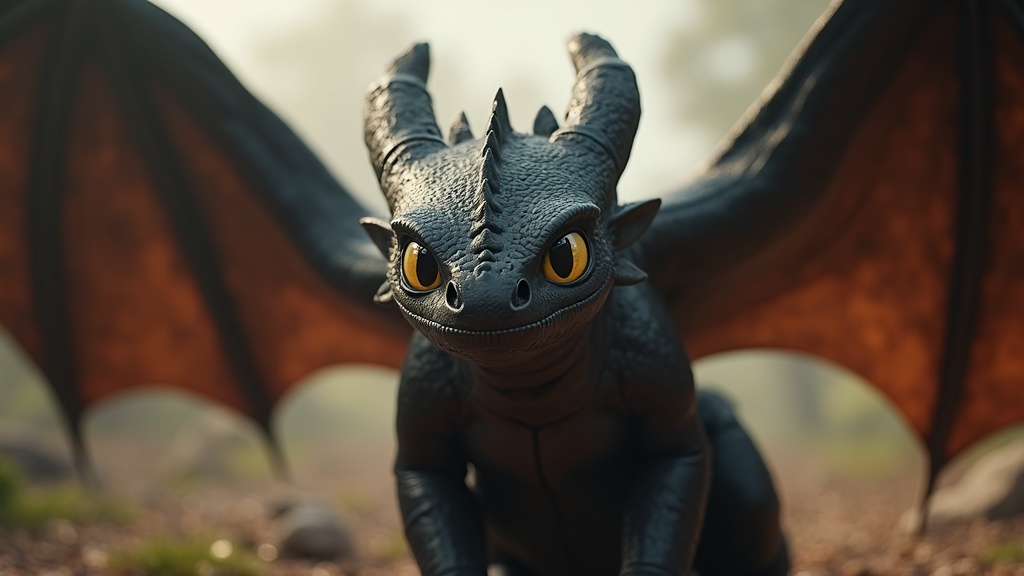
This guide explores the enduring appeal of How to Train Your Dragon, examining its journey from beloved book series to a landmark animated trilogy and its recent live-action adaptation. We delve into the core themes, the creative vision behind the films, and the legacy of this story about empathy and understanding.
Table of Contents
- From Page to Screen: The Origins of the Franchise
- Core Themes: Empathy, Fear, and Unlikely Heroes
- Cultural Impact and Critical Acclaim
- The 2025 Live-Action Adaptation: A New Chapter
- Frequently Asked Questions
- Comparison: Books vs. Animated Films vs. Live-Action
- Practical Tips for Engaging with the Franchise
- Final Thoughts on How to Train Your Dragon
Article Snapshot
How to Train Your Dragon is a multi-platform franchise that began with Cressida Cowell’s book series and expanded into a critically acclaimed animated trilogy and a 2025 live-action film. This guide covers its origins, themes, cultural impact, and the new adaptation, exploring why the story of a young Viking who befriends a dragon continues to resonate worldwide.
Quick Stats: How to Train Your Dragon
- The original 2010 animated film earned $494.9 million worldwide at the box office (Box Office Mojo by IMDbPro, 2024)[1].
- The 2025 live-action adaptation holds a 93% critics’ approval rating on Rotten Tomatoes (Rotten Tomatoes, 2025)[2].
- The franchise includes 12 books in the original novel series (Hachette Children’s Group, 2024)[3].
From Page to Screen: The Origins of the Franchise
How to Train Your Dragon began its life not on the big screen, but as a series of children’s books by British author Cressida Cowell. The first book was published in 2003[4], introducing readers to a world where Vikings and dragons are mortal enemies. The protagonist, Hiccup Horrendous Haddock III, is a small, unassuming Viking teenager who defies his tribe’s warrior culture by befriending a dragon he names Toothless. Cowell’s series, which spans 12 books[3], is known for its witty narration, hand-drawn illustrations, and exploration of themes like leadership and pacifism.
In 2010, DreamWorks Animation released its own animated adaptation, directed by Dean DeBlois and Chris Sanders. This film took significant liberties with the source material, streamlining the plot and redesigning the characters and dragons for a broader audience. The result was a cinematic triumph that resonated with both children and adults. The film’s success spawned two sequels – How to Train Your Dragon 2 (2014) and How to Train Your Dragon: The Hidden World (2019) – which together form a complete narrative arc about growing up, letting go, and finding one’s place in the world.
The story also expanded into television, most notably with the Netflix series Dragons: Race to the Edge, which ran for 78 episodes[5] and bridged the gap between the first and second films. This multi-platform growth demonstrates the franchise’s ability to tell deep, character-driven stories across different mediums.
Core Themes: Empathy, Fear, and Unlikely Heroes
At its heart, How to Train Your Dragon is a story about challenging established norms through empathy. As Dean DeBlois stated, the story has always been about “learning to see the ‘dragon’ you fear as a living being with its own needs and pain, and letting that understanding change you”[6]. This theme is powerfully illustrated through Hiccup’s relationship with Toothless, a dragon considered the most dangerous of all, the Night Fury. Instead of killing him, Hiccup learns to communicate with him, discovering that the dragons are not mindless beasts but intelligent, emotional creatures.
This message of empathy extends to the human characters as well. Cressida Cowell noted that the story’s heart is “the idea that the smallest, least likely person or dragon can change the course of history through courage, kindness and a willingness to challenge old ways of thinking”[7]. Hiccup is not a traditional hero; he is awkward, anxious, and physically weak. Yet, his greatest strength is his ability to listen and understand. Mason Thames, who plays Hiccup in the 2025 live-action film, echoed this, saying Hiccup’s “superpower is that he listens to this dragon everyone else wants to kill”[8].
The franchise also explores the theme of unlearning fear. Astrid, Hiccup’s love interest, starts as a fierce dragon hunter who believes in the old Viking ways. Nico Parker, who plays Astrid in the 2025 film, described her journey as being “about unlearning that fear and realizing that strength can look like changing your mind”[9]. This arc is central to the story’s appeal, showing that true strength lies not in physical prowess but in the courage to question deeply held beliefs.
These are not just children’s story themes; they are universal human experiences. The franchise’s ability to weave these complex ideas into an accessible, action-packed narrative is a key reason for its lasting success. For those looking to explore these themes further, a guide to fantasy storytelling and character arcs offers additional insights.
Cultural Impact and Critical Acclaim
The impact of How to Train Your Dragon on popular culture and the animation industry cannot be overstated. The original 2010 film was a critical darling, earning a 99% critics’ approval rating on Rotten Tomatoes[10] and receiving two Academy Award nominations[11]. Jeffrey Katzenberg, co-founder and former CEO of DreamWorks Animation, noted that the film “proved that family animation could be as emotionally sophisticated and visually ambitious as any live‑action blockbuster, while still speaking directly to children”[12].
The franchise’s influence extends beyond the box office. It has been praised for its positive portrayal of disability (Hiccup loses a leg in the first film) and for its nuanced approach to environmental and anti-war themes. The television series won six Primetime Emmy Awards[13], further cementing the franchise’s quality across different formats. The emotional depth of the storytelling has made it a benchmark for modern animated films, influencing a generation of filmmakers and storytellers.
The release of the 2025 live-action adaptation, directed again by Dean DeBlois, brought the story to a new audience. The film earned $262.9 million domestically[2] and maintained a strong 93% critics’ score[2]. This success demonstrates that the core story of a boy and his dragon remains as powerful as ever, proving that the franchise’s themes are timeless.
The 2025 Live-Action Adaptation: A New Chapter
The 2025 live-action adaptation of How to Train Your Dragon represents a unique moment in film history. Unlike many live-action remakes that simply retell the original story, this film, directed by Dean DeBlois, aims to be a faithful yet fresh interpretation. With a runtime of 125 minutes[14], it allows for a deeper exploration of the characters and their motivations. The casting of Mason Thames as Hiccup and Nico Parker as Astrid brought a new energy to the roles, with both actors emphasizing the humanity and vulnerability of their characters.
The decision to use photorealistic CGI for the dragons, particularly Toothless, was a major technical achievement. The film aimed to make the dragons feel like real, living animals, enhancing the emotional impact of their interactions with the human characters. This approach aligns with the franchise’s core message of seeing the world from a different perspective. The live-action format also allowed for more nuanced performances, with actors able to convey subtle emotions through facial expressions and body language.
The film’s success (a 93% Rotten Tomatoes score and strong box office[2]) proves that audiences are still hungry for stories about empathy and connection. It also validates the decision to bring the story back to the big screen, showing that the themes of How to Train Your Dragon are not tied to any one medium. For those interested in the technical side of bringing such a story to life, resources like this visual effects production guide provide detailed information on the process.
Questions from Our Readers
What is the best order to watch the How to Train Your Dragon movies?
The recommended viewing order is by release date: How to Train Your Dragon (2010), How to Train Your Dragon 2 (2014), How to Train Your Dragon: The Hidden World (2019), and then the 2025 live-action adaptation. The animated trilogy tells a complete, continuous story. The live-action film is a direct adaptation of the first movie, so it can be watched as a standalone or after the animated films for a fresh perspective. The Netflix series, Dragons: Race to the Edge, is set between the first and second films and adds depth to the characters.
How different is the 2025 live-action film from the 2010 animated movie?
The 2025 live-action film is a faithful adaptation of the 2010 animated movie, following the same core plot and character arcs. The main differences lie in the visual style and character depth. The live-action version uses photorealistic CGI for the dragons and real actors, aiming for a more grounded, emotional feel. The runtime is slightly longer at 125 minutes[14], allowing for more character development and quieter moments. While the story is the same, the performances by Mason Thames and Nico Parker bring a new, more human dimension to the roles.
Are the How to Train Your Dragon books suitable for adults?
Absolutely. While Cressida Cowell’s books are classified as children’s literature, they contain sophisticated themes, witty humor, and complex character development that appeal to adult readers. The books are quite different from the films, with a more episodic structure and a greater focus on Hiccup’s internal thoughts. The hand-drawn illustrations are charming and add to the reading experience. Many adults find the books to be a rewarding complement to the films, offering a deeper dive into the world and its characters.
What is the main message of the How to Train Your Dragon franchise?
The central message of the franchise is that empathy and understanding are more powerful than violence and fear. The story consistently shows that the characters who are willing to listen, learn, and challenge old ways of thinking are the ones who bring about positive change. As Cressida Cowell put it, it’s about how “the smallest, least likely person or dragon can change the course of history through courage, kindness and a willingness to challenge old ways of thinking”[7]. This message is delivered through the relationship between Hiccup and Toothless, and it resonates with audiences of all ages.
Comparison: Books vs. Animated Films vs. Live-Action
Each version of How to Train Your Dragon offers a distinct experience, catering to different tastes. The following table highlights key differences between the three primary formats.
| Feature | Books (Cressida Cowell) | Animated Films (DreamWorks) | Live-Action (2025) |
|---|---|---|---|
| Story Arc | Episodic, 12-book series | Complete 3-film arc | Direct adaptation of first film |
| Tone | Witty, humorous, with dark moments | Emotional, epic, family-friendly | Grounded, emotional, realistic |
| Visual Style | Hand-drawn illustrations | Stylized, vibrant CGI animation | Photorealistic CGI dragons, real actors |
| Character Focus | Hiccup’s internal thoughts | Hiccup & Toothless’s relationship | Human performances, emotional nuance |
Practical Tips for Engaging with the Franchise
For newcomers and longtime fans alike, there are many ways to deepen your appreciation of this story. First, consider reading the original book series. The 12 books[3] offer a richer, more detailed version of Hiccup’s world and are a great way to see the source material that inspired the films. The books are available in most libraries and bookstores, and they provide a different, often more humorous, take on the characters.
Second, explore the extended universe. The Netflix series Dragons: Race to the Edge (78 episodes[5]) is a fantastic way to spend more time with the characters between the first and second films. It introduces new dragons, new villains, and deepens the lore of the world. For a more academic look at the story’s themes, you can find analysis of character development in family films on our site.
Finally, watch the films in quick succession to appreciate the full emotional arc. The trilogy is designed to be a complete story, and watching all three films together allows you to see the characters grow from teenagers to adults. The 2025 live-action film can serve as a perfect entry point or a fresh conclusion to the journey. Discussing the films with friends or online communities can also reveal new perspectives on the story’s themes.
Final Thoughts on How to Train Your Dragon
The journey of How to Train Your Dragon from a children’s book to a global phenomenon is a testament to the power of its core message: that empathy and understanding can overcome even the deepest fears. Through the eyes of an unlikely hero and his dragon, we learn that true strength comes from listening, learning, and challenging the status quo. Whether you prefer the hand-drawn charm of the books, the epic scope of the animated trilogy, or the grounded emotion of the live-action film, the story remains a powerful reminder of the importance of connection. To explore more in-depth analyses of storytelling and character arcs, visit other guides on SuperLewisS.
Useful Resources
- How to Train Your Dragon (2010) – Box Office Mojo.
https://www.boxofficemojo.com/title/tt0892769/ - How to Train Your Dragon (2025) – Rotten Tomatoes.
https://www.rottentomatoes.com/m/how_to_train_your_dragon_2025 - How to Train Your Dragon Books in Order – Hachette Children’s Group.
https://www.hachettechildrens.co.uk/landing-page/hachette-childrens-group/how-to-train-your-dragon-books-in-order/ - Cressida Cowell Author Profile – National Literacy Trust.
https://literacytrust.org.uk/authors/cressida-cowell/ - DreamWorks Dragons: Race to the Edge – DreamWorks Animation TV / Netflix media kit.
https://www.dreamworks.com/shows/dragons-race-to-the-edge - Dean DeBlois on bringing How to Train Your Dragon into live action – The Hollywood Reporter.
https://www.hollywoodreporter.com/movies/movie-news/how-to-train-your-dragon-live-action-dean-deblois-interview-1235864972/ - Cressida Cowell reflects on How to Train Your Dragon’s legacy – The Guardian.
https://www.theguardian.com/books/2025/feb/19/cressida-cowell-how-to-train-your-dragon-legacy-film - Mason Thames and Nico Parker on reimagining How to Train Your Dragon – Variety.
https://variety.com/2025/film/news/how-to-train-your-dragon-live-action-cast-interview-1235954321/ - How to Train Your Dragon’s new Astrid on bringing a modern edge – BBC.
https://www.bbc.com/culture/article/20250510-how-to-train-your-dragon-astrid-nico-parker-interview - How to Train Your Dragon (2010) – Rotten Tomatoes.
https://www.rottentomatoes.com/m/how_to_train_your_dragon - 2011 Academy Awards – Academy of Motion Picture Arts and Sciences.
https://www.oscars.org/oscars/ceremonies/2011 - Jeffrey Katzenberg on DreamWorks’ biggest franchises – The Wall Street Journal.
https://www.wsj.com/arts-culture/film/how-to-train-your-dragon-dreamworks-katzenberg-Interview-2025-01-15 - DreamWorks Dragons – Television Academy (Emmys.com).
https://www.emmys.com/shows/dreamworks-dragons - How to Train Your Dragon (2025) – IMDb.
https://www.imdb.com/title/tt26743210/
For more about How to train ai models, see How To Train Ai Models.