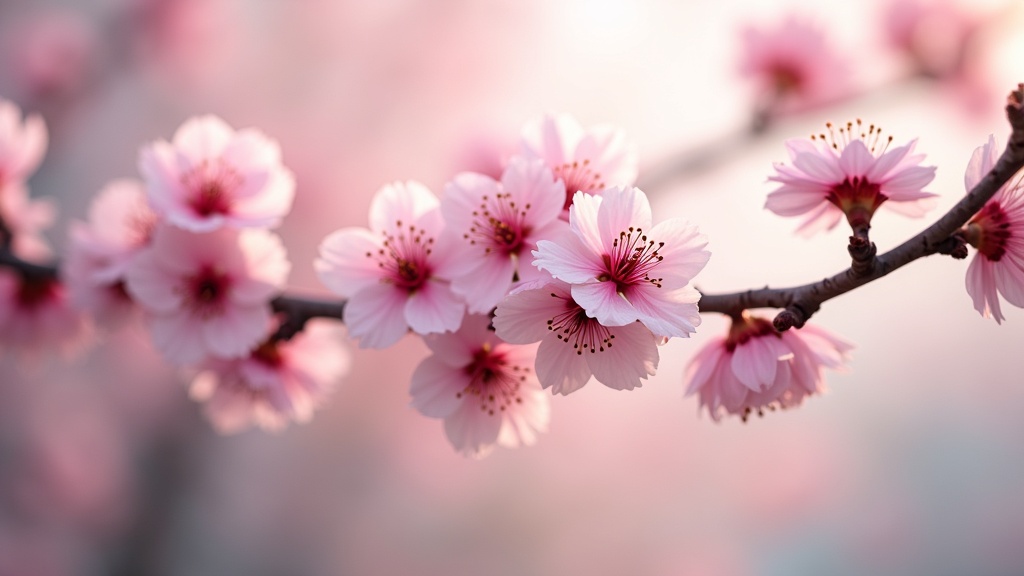
Learn how to care for an ornamental cherry tree in your landscape, from planting and pruning to pest prevention, using expert-backed advice for healthy growth and long-lasting blooms.
Table of Contents
- Quick Summary
- Ornamental Cherry Tree in Context
- Introduction
- Choosing and Planting Your Ornamental Cherry Tree
- Watering and Soil Needs for Healthy Growth
- Pruning and Maintenance to Prevent Problems
- Managing Pests and Diseases in Ornamental Cherry Trees
- Frequently Asked Questions
- Comparison of Ornamental Cherry Tree Types
- Practical Tips for Long-Term Success
- Key Takeaways
- Further Reading
Ornamental cherry tree is a flowering landscape tree prized for its spring blossoms and graceful form. This guide covers site selection, watering, pruning, and pest management to help your tree thrive for decades. Follow these expert steps for a healthy, beautiful specimen.
Ornamental Cherry Tree in Context
- Ornamental cherry trees typically live between 30 and 40 years under normal landscape conditions (Raintree Nursery, 2025)[1].
- Most cherry trees, including ornamental varieties, grow best in USDA hardiness zones 4 through 8 (Nashville Tree Conservation Corps, 2024)[2].
- Ornamental cherry trees generally prefer soils with a pH between 6.0 and 7.5 for healthy growth (University of Maryland Extension, 2024)[3].
Introduction
An ornamental cherry tree transforms any garden with its spectacular spring display of pink or white blossoms. Whether you choose a weeping variety, an upright Kwanzan, or a delicate Yoshino, these trees reward careful planting and regular care. This article covers everything from selecting the right site to long-term maintenance, so your tree remains healthy and vibrant for years.
Choosing and Planting Your Ornamental Cherry Tree
The first step to a thriving ornamental cherry tree is selecting a suitable location. According to University of Maryland Extension Faculty (2024), these trees grow well in fertile soils with a pH of 6.0 to 7.5 and need a site that receives full sun or at least 6–8 hours of sunlight each day[3]. The same experts advise choosing a spot that can accommodate the tree’s mature size and width, and not crowding trees because poor air circulation traps humidity and keeps leaves wet longer[3].
Nashville Tree Conservation Corps Arborists (2024) note that most cherry trees grow between zones 4 or 5 through zone 8, and they need full sun, especially for flowers and fruit, because trees planted too close may shade each other or create conditions for mildew if moisture builds up in overlapping branches[2]. When planting, dig a hole twice as wide as the root ball but no deeper. Place the tree at the same depth it grew in the nursery, backfill with native soil, and water thoroughly.
Site Selection
Choose an open area away from buildings or large shade trees. Avoid low spots where frost settles or water pools. The tree should receive direct sunlight for most of the day. If you plan to feature multiple ornamental cherry trees, space them at least 15 to 20 feet apart to allow for mature canopy spread.
Watering and Soil Needs for Healthy Growth
Proper watering is critical, especially in the first few years. Nashville Tree Conservation Corps Arborists (2024) recommend watering young cherry trees once a week in the first year to get their roots established, then once every 10 days if there isn’t any rain, because they will sleep, creep, then leap over the first three years before they reach full ornamental impact[2]. University of Maryland Extension Faculty (2024) add that newly planted ornamental cherry trees should be watered when there is less than 1 inch of rainfall per week to maintain even soil moisture[3].
Soil quality matters just as much. An ornamental cherry tree prefers well-draining loam with a pH between 6.0 and 7.5 (University of Maryland Extension, 2024)[3]. Before planting, test your soil and amend with organic matter if needed. Avoid heavy clay that stays wet, as this can lead to root rot. Mulch around the base with 2 to 3 inches of wood chips to retain moisture and regulate soil temperature, but keep mulch away from the trunk to prevent rot.
Pruning and Maintenance to Prevent Problems
Regular pruning keeps your ornamental cherry tree strong and reduces disease risk. University of Maryland Extension Faculty (2024) explain that proper pruning and training can help prevent or minimize problems by improving air circulation within the tree, improving tree strength and inducing branching, and removing dead or broken branches which may encourage disease or insect problems[3].
Prune in late winter or early spring before new growth begins. Remove crossing branches, suckers from the base, and any wood that appears damaged. Make clean cuts just outside the branch collar. Do not remove more than 25 percent of the canopy in a single year. After pruning, clean your tools with rubbing alcohol to avoid spreading pathogens. For detailed guidance, refer to University of Maryland Extension resources on ornamental cherry tree care.
Managing Pests and Diseases in Ornamental Cherry Trees
Even with the best care, an ornamental cherry tree can face pests and diseases. Common issues include aphids, scale insects, tent caterpillars, and fungal diseases like cherry leaf spot and powdery mildew. The key is prevention through proper siting, watering, and pruning. Good air circulation and keeping leaves dry reduce fungal problems significantly.
If you spot pests, start with a strong spray of water from a hose to dislodge aphids. For persistent infestations, use insecticidal soap or horticultural oil, following label instructions. For diseases, remove and dispose of infected leaves promptly. Avoid overhead watering, which keeps foliage wet. In severe cases, consult a certified arborist or your local extension office.
Important Questions About Ornamental Cherry Tree
How long does an ornamental cherry tree live?
Ornamental cherry trees typically live between 30 and 40 years under normal landscape conditions (Raintree Nursery, 2025)[1]. In contrast, sweet fruit-bearing cherry trees commonly have a shorter lifespan of about 10 to 15 years, while sour or tart fruiting varieties may survive up to 20 to 25 years[1]. Proper care can help your ornamental cherry tree reach the upper end of its lifespan.
What is the best time to plant an ornamental cherry tree?
The best time to plant an ornamental cherry tree is in early spring or fall when temperatures are cool and the tree is dormant. This gives the roots time to establish before summer heat or winter cold. Avoid planting during hot, dry weather or when the ground is frozen. Choose a site with full sun and well-draining soil.
How often should I water a newly planted ornamental cherry tree?
Water young cherry trees once a week in the first year to get their roots established, then once every 10 days if there isn’t any rain (Nashville Tree Conservation Corps, 2024)[2]. University of Maryland Extension (2024) recommends watering when there is less than 1 inch of rainfall per week[3]. Deep, infrequent watering encourages deep root growth.
Can I grow an ornamental cherry tree in a container?
Yes, dwarf varieties of ornamental cherry tree can be grown in large containers. Choose a pot at least 18 inches in diameter with drainage holes. Use a high-quality potting mix and water regularly, as container trees dry out faster than those in the ground. Provide winter protection by moving the container to a sheltered spot or wrapping it with insulation.
Comparison of Ornamental Cherry Tree Types
Different varieties of ornamental cherry tree offer unique growth habits and bloom times. The table below compares four popular types to help you choose the best fit for your landscape.
| Variety | Mature Height | Bloom Color | Growth Habit |
|---|---|---|---|
| Kwanzan | 15–25 ft | Deep pink, double | Upright, vase-shaped |
| Yoshino | 20–30 ft | Pale pink, single | Spreading, rounded |
| Weeping (Higan) | 15–25 ft | Pink, single or double | Weeping, cascading |
| Okame | 15–20 ft | Bright pink, single | Upright, rounded |
Practical Tips for Long-Term Success
Follow these actionable tips to keep your ornamental cherry tree healthy and beautiful for decades:
- Test your soil before planting and amend to a pH between 6.0 and 7.5 (University of Maryland Extension, 2024)[3].
- Water deeply once a week in the first year, then every 10 days during dry spells (Nashville Tree Conservation Corps, 2024)[2].
- Prune annually in late winter to improve air circulation and remove dead wood (University of Maryland Extension, 2024)[3].
- Mulch with 2–3 inches of organic material, keeping it away from the trunk.
- Monitor for pests weekly during the growing season and treat early with non-chemical methods.
For more about Ornamental cherry tree, see read the full guide on ornamental cherry tree.
Key Takeaways
Caring for an ornamental cherry tree requires thoughtful site selection, consistent watering, annual pruning, and vigilant pest management. With a lifespan of 30 to 40 years, this tree rewards your effort with stunning spring blooms and graceful structure. Start with a healthy specimen, provide the right conditions, and your ornamental cherry tree will become a cherished feature of your garden for generations.
Further Reading
- How Long Do Cherry Trees Live? Raintree Nursery.
https://raintreenursery.com/blogs/pnw-edible-plant-blog/how-long-do-cherry-trees-live - How Many Kinds of Cherry Trees Are There? Nashville Tree Conservation Corps.
https://www.nashvilletreeconservationcorps.org/treenews/types-of-cherry-trees - Ornamental Cherry Trees: Identify and Manage Problems. University of Maryland Extension.
https://extension.umd.edu/resource/ornamental-cherry-trees-identify-and-manage-problems