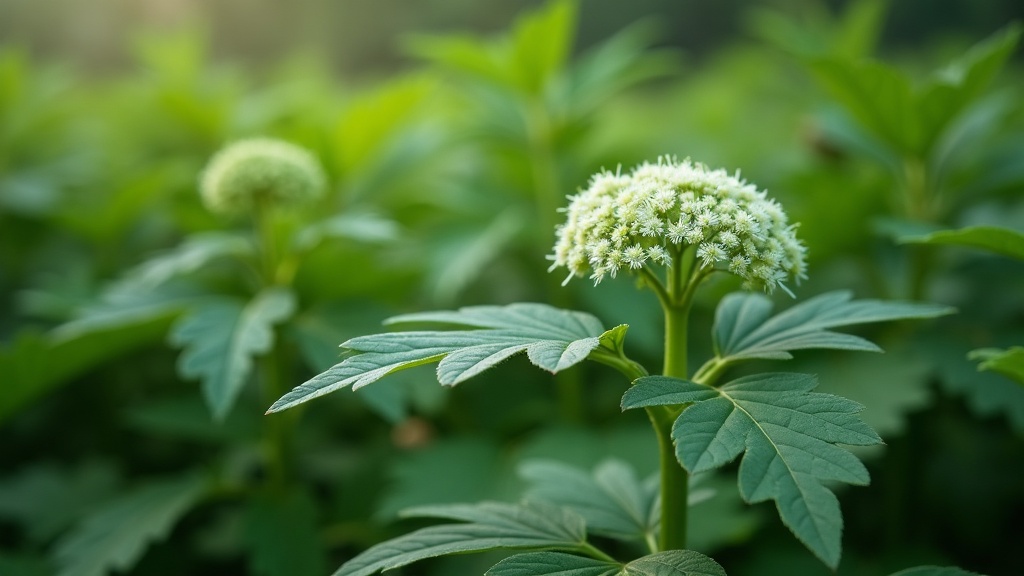
This creeping hemlock guide provides essential information for identifying, managing, and safely removing this highly toxic invasive plant from your property. Learn to distinguish it from similar species, understand the most effective control methods, and follow critical safety precautions to protect people, pets, and livestock.
Table of Contents
- How to Identify Creeping Hemlock
- Health and Environmental Risks of Creeping Hemlock
- Effective Control Methods for Creeping Hemlock
- Essential Safety Precautions When Working with Creeping Hemlock
- Frequently Asked Questions
- Comparison of Control Methods
- Practical Tips for Creeping Hemlock Management
- Final Thoughts on Creeping Hemlock
Article Snapshot: Creeping hemlock guide refers to the process of identifying, managing, and safely eradicating poison hemlock (Conium maculatum), a highly invasive and toxic weed. This article covers accurate identification, health risks, mechanical and chemical control methods, and essential safety practices for effective removal.
Quick Stats: Creeping Hemlock
- Recommended glyphosate rate for broadcast control of poison hemlock before plants bolt is 0.75 pounds acid equivalent per acre (Pacific Northwest Weed Management Handbook, Oregon State University Extension, 2024)[1]
- Recommended mulch depth after removing poison hemlock to prevent new seeds from sprouting is 4 to 6 inches (King County Noxious Weed Control Program, 2024)[2]
- Minimum waiting period after herbicide treatment of poison hemlock before cutting plants to allow the chemical to work is 14 days (King County Noxious Weed Control Program, 2024)[2]
Introduction
Creeping hemlock guide is a critical resource for anyone dealing with poison hemlock (Conium maculatum), a dangerous invasive plant that poses serious threats to human health, livestock, and native ecosystems. Originally from Europe and North Africa, this plant has spread aggressively across North America, particularly along roadsides, drainage ditches, and disturbed areas. This guide will help you identify poison hemlock accurately, understand the risks it presents, learn the most effective control methods, and follow essential safety protocols. Whether you are a land manager, a farmer, or a homeowner, this information will empower you to take action against this hazardous weed.
How to Identify Creeping Hemlock
Accurate identification is the first step in any creeping hemlock guide. Poison hemlock is often mistaken for other plants like wild carrot (Queen Anne’s lace) or fennel, but it has several distinct characteristics that set it apart.
Physical Characteristics
Poison hemlock is a biennial plant that grows in a low rosette during its first year. In its second year, it bolts to produce a tall, hollow, and branching stem that can reach heights of 6 to 10 feet. The stems are smooth and covered in distinctive purple spots, which is a key identifying feature. The leaves are highly dissected, fern-like, and have a strong, unpleasant musty odor when crushed. During the summer, the plant produces small, white, umbrella-shaped flower clusters (umbels) that look similar to those of Queen Anne’s lace.
Common Look-Alikes
It is easy to confuse poison hemlock with several edible or harmless plants. Queen Anne’s lace has a hairy stem and a single dark purple floret in the center of the flower cluster, while poison hemlock has smooth, purple-spotted stems. Wild fennel has a licorice-like scent and thread-like leaf segments, whereas poison hemlock has a musty, unpleasant odor. Water hemlock (Cicuta species) is also highly toxic but can be distinguished by its thicker root system and the presence of a chambered pith at the base of the stem. Always exercise caution and consult a field guide or local expert if you are unsure.
Health and Environmental Risks of Creeping Hemlock
Understanding the dangers associated with this plant is a core part of any creeping hemlock guide. All parts of poison hemlock contain potent alkaloids, primarily coniine and gamma-coniceine, which are toxic to humans and animals if ingested. Even small amounts can cause respiratory failure and death.
Human Health Risks
Ingesting any part of the plant can lead to symptoms such as nausea, vomiting, abdominal pain, trembling, and muscle paralysis. The toxins affect the nervous system, leading to a loss of coordination and, in severe cases, respiratory paralysis. The U.S. Forest Service Southwestern Region warns that “poison hemlock infestations can rapidly expand along riparian corridors and disturbed soils, so early detection and rapid response are critical to prevent large, expensive control efforts”[3]. Skin contact can also cause dermatitis in some individuals. Children and pets are particularly at risk because they may be attracted to the plant’s leaves or flowers.
Risks to Livestock and Wildlife
Livestock, particularly cattle, horses, and sheep, are highly susceptible to poisoning. The plant is most toxic in the spring when the leaves are young and succulent, but it remains dangerous throughout the growing season. Dried plant material, such as hay contaminated with poison hemlock, can also be fatal. The toxins can pass into milk, posing a risk to nursing young. The expansion of poison hemlock along waterways also degrades wildlife habitat and outcompetes native vegetation.
Effective Control Methods for Creeping Hemlock
This section of the creeping hemlock guide outlines the most effective strategies for controlling and eradicating this invasive weed. A combination of mechanical and chemical methods, applied at the right time, is usually necessary for long-term success.
Mechanical Control
Mechanical methods include hand-pulling, digging, mowing, and cutting. For small infestations, hand-pulling or digging up the entire taproot is effective, but it must be done before the plant flowers and sets seed. The King County Noxious Weed Control Program states that “mechanical methods like mowing or weed‑whacking poison hemlock rarely provide long‑term control on their own because plants often regrow and flower again the same year”[2]. If you do mow, it should be done repeatedly during the growing season to exhaust the root reserves. All plant material should be bagged and disposed of in the trash, not composted.
Chemical Control
Herbicides are often the most reliable method for large infestations. The Pacific Northwest Weed Management Handbook notes that “for poison hemlock, herbicide applications are most effective when plants are in the seedling to rosette stage, before bolting, and when a suitable surfactant is included to improve coverage”[1]. Recommended active ingredients include glyphosate, 2,4-D, and metsulfuron. For example, the recommended rate for metsulfuron (Escort) on actively growing poison hemlock is 0.6 ounces active ingredient per acre[1]. Always follow label instructions and apply on a calm day to avoid drift onto desirable plants.
Integrated Management
The most sustainable approach combines mechanical and chemical methods. The U.S. Forest Service Southwestern Region recommends that “integrating herbicide treatments with reseeding of competitive perennial grasses in the fall provides more sustainable, long‑term suppression of poison hemlock than chemical control alone”[3]. After removing the hemlock, apply a deep layer of mulch (4 to 6 inches) to suppress any remaining seeds and prevent new growth[2]. Follow up annually to monitor for regrowth.
Essential Safety Precautions When Working with Creeping Hemlock
Safety is paramount in any creeping hemlock guide. Because poison hemlock is highly toxic, anyone working around the plant must take strict precautions. The King County Noxious Weed Control Program advises that “anyone working around the plant should wear gloves, long sleeves, and eye protection, and avoid getting plant material in their mouth or eyes”[2].
Personal Protective Equipment (PPE)
Always wear heavy-duty, waterproof gloves, long-sleeved shirts, long pants, and closed-toe shoes. Use safety glasses or goggles to protect your eyes from plant sap and dust. If you are using herbicides, follow the label instructions for additional PPE requirements, which may include a respirator. After working, wash all exposed skin thoroughly with soap and water. Wash your clothes separately from other laundry.
Safe Disposal
Do not burn poison hemlock, as the smoke can contain toxic alkaloids and cause respiratory distress. Instead, bag the plant material in heavy-duty plastic bags and place them in the trash. Do not add it to your compost pile or leave it in a pile where livestock or pets can access it. If the plants have already flowered, be extremely careful not to shake the seed heads, as this can spread the seeds.
Important Questions About Creeping Hemlock
How can I tell the difference between poison hemlock and Queen Anne’s lace?
The most reliable way to distinguish them is by examining the stem. Poison hemlock has a smooth, hairless stem with distinct purple spots or blotches. Queen Anne’s lace has a hairy, solid green stem with no purple spots. Additionally, Queen Anne’s lace often has a single small, dark purple or red floret in the center of its white flower cluster, which poison hemlock lacks. The smell is also a clue: poison hemlock has an unpleasant, musty odor, while Queen Anne’s lace smells like carrot.
Is it safe to compost poison hemlock plants after pulling them?
No, it is not safe to compost poison hemlock. The toxic alkaloids can persist in the plant material and may not break down completely in a home compost pile. Using this compost could then spread the toxins to your garden soil, posing a risk to future edible crops or to pets that dig in the area. The safest method of disposal is to place the pulled plants in heavy-duty garbage bags and send them to a landfill.
What is the best time of year to apply herbicide to poison hemlock?
The best time to apply herbicide is in the early spring (March to April) when the plants are in the seedling to rosette stage, before they begin to bolt (send up a tall flower stalk). At this stage, the plants are actively growing and most susceptible to chemical uptake. A second application may be needed in the fall on any regrowth or newly germinated seedlings. Avoid applying herbicide when the plants are flowering or going to seed, as the treatment will be less effective.
Can animals die from eating dried poison hemlock in hay?
Yes, absolutely. The toxic alkaloids in poison hemlock remain potent even after the plant has been dried. Hay that is contaminated with poison hemlock is extremely dangerous for livestock, including horses, cattle, and sheep. The toxins do not break down during the drying process, and the dried plant material can be just as lethal as fresh growth. It is crucial to inspect hay fields for poison hemlock and to ensure that any hay you purchase is free of this toxic weed.
Comparison of Control Methods
Choosing the right control method depends on the size of the infestation, the time of year, and the resources available. The following table compares the most common approaches for managing poison hemlock.
| Method | Best For | Effectiveness | Effort |
|---|---|---|---|
| Hand Pulling/Digging | Small infestations (under 100 plants) | High, if done before flowering | High physical effort |
| Mowing/Cutting | Large, open infestations | Low to moderate; must be repeated | Moderate equipment effort |
| Herbicide Application | Large infestations, rosette stage | High, with correct timing and product | Moderate; requires PPE and care |
| Integrated (Herbicide + Reseeding) | Long-term restoration | Very high; most sustainable | High; requires planning |
Practical Tips for Creeping Hemlock Management
Effective management of poison hemlock requires persistence and a well-planned strategy. Here are some actionable tips to help you succeed.
- Act Early: The most important step is to identify and remove plants before they flower and set seed. A single plant can produce up to 40,000 seeds, which can remain viable in the soil for several years.
- Monitor Year-Round: Check your property regularly, especially in spring and fall. New infestations can appear from seeds brought in by water, animals, or contaminated equipment.
- Use Proper Tools: For digging, use a long-handled weeding tool or a shovel to remove the entire taproot. For large areas, a weed trimmer or mower can be used, but be prepared to follow up with herbicide.
- Protect Native Plants: When using herbicides, use a spot-spray method or a wick applicator to minimize damage to desirable vegetation. After removal, consider planting competitive native grasses or groundcovers to prevent re-infestation.
- Stay Informed: Local extension offices, county weed boards, and resources like the Pacific Northwest Weed Management Handbook provide up-to-date information on control recommendations.
For more about Catkarmacreations guide, see find catkarmacreations guide resources.
Final Thoughts on Creeping Hemlock
Successfully managing poison hemlock requires a combination of vigilance, accurate identification, and consistent action. This creeping hemlock guide has provided you with the knowledge to identify the plant, understand the serious risks it poses, and apply a range of effective control methods. Remember that safety must always come first. By taking a proactive and integrated approach, you can protect your property, your family, and your local environment from this dangerous invasive weed.
Sources & Citations
- Hemlock, poison (Conium maculatum) – Pacific Northwest Weed Management Handbook.
https://pnwhandbooks.org/weed/problem-weeds/hemlock-poison-conium-maculatum - Poison hemlock identification and control. King County Noxious Weed Control Program.
https://kingcounty.gov/en/dept/dnrp/nature-recreation/environment-ecology-conservation/noxious-weeds/identification-control/poison-hemlock - Field Guide for Managing Poison Hemlock in the Southwest. U.S. Forest Service Southwestern Region.
https://www.stream-smart.com/wp-content/uploads/2024/06/Hemlock-Guide.pdf