Discover our complete freshwater pearl necklace guide to help you choose, style, and care for your jewelry. Learn about luster, sizes, and lengths today.
Table of Contents
- Understanding Pearl Grading and Luster
- Choosing the Right Size and Length
- Freshwater vs. Other Cultured Varieties
- Styling and Customization Options
- Important Questions
- Comparing Lengths
- Practical Tips
- Wrapping Up
Article Snapshot
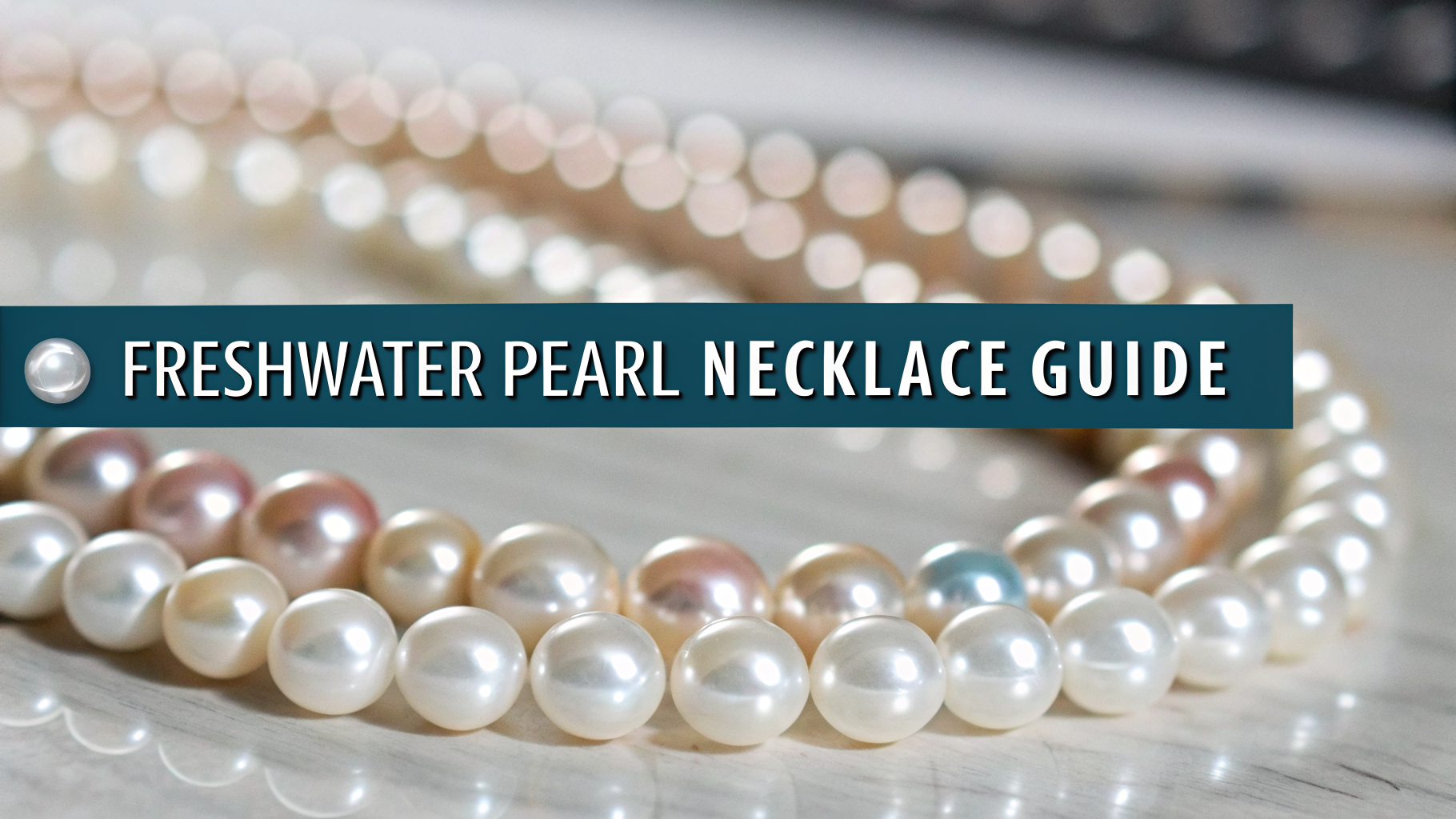
A freshwater pearl necklace guide is an educational resource detailing the selection, grading, and maintenance of cultured pearl jewelry. This overview covers essential factors like luster, surface quality, and sizing to help buyers make informed purchasing decisions for elegant accessories.
Quick Stats: Freshwater Pearl Necklace Guide
- The most popular diameter range for everyday wear is 7.5-8.0 millimeters (Pure Pearls, 2024)[1].
- A standard princess-length range measures 17-19 inches and is considered highly versatile (Alya Pearl, 2024)[2].
- Grading involves 7 primary value factors, including size, shape, color, and luster (Pure Pearls, 2024)[3].
Introduction
Freshwater pearl necklace guide principles are essential for anyone looking to invest in timeless, elegant jewelry. Whether you are purchasing your first strand or adding to a growing collection, understanding the nuances of gemstone grading ensures you get the best value. A well-chosen piece transitions seamlessly from formal events to casual outings. For long-lasting shine, it is always better to care for your pearls by following expert maintenance routines and wiping the nacre gently after each use. This comprehensive freshwater pearl necklace guide breaks down the critical elements of quality, sizing, and styling. By the end of this article, you will know exactly what to look for when evaluating surface quality, drill hole placement, and overall matching. Let us explore the foundational knowledge needed to select the perfect accessory.
Understanding Pearl Grading and Luster
Evaluating the quality of cultured pearls requires a keen eye for specific visual characteristics. The most critical factor in any buying guide for freshwater pearls is luster, which refers to the sharpness and intensity of light reflecting off the surface. High-quality nacre produces a mirror-like shine that gives the gemstone its signature glow. According to Betty Sue King, a pearl grading expert, “Luster is, in common words, how shiny the pearl is. One way we tell right away is we’ll put our fingernail against the pearl and if we get a clean, crisp reflection of our nail, we know it’s a high‑luster pearl” (King, 2024)[4].
Beyond luster, buyers must examine the surface for any blemish or irregularity. While no natural gem is entirely flawless, minimal spotting indicates superior quality. The thickness of the nacre layers also dictates durability and the presence of a beautiful overtone. When evaluating a strand, check the matching to ensure uniform color and shape across the entire piece. Inspect the drill hole to confirm it is clean and centered, which prevents the silk thread from fraying prematurely. A reliable freshwater pearl jewelry guide will always emphasize that these visual markers collectively determine the longevity and aesthetic appeal of your investment.
Choosing the Right Size and Length
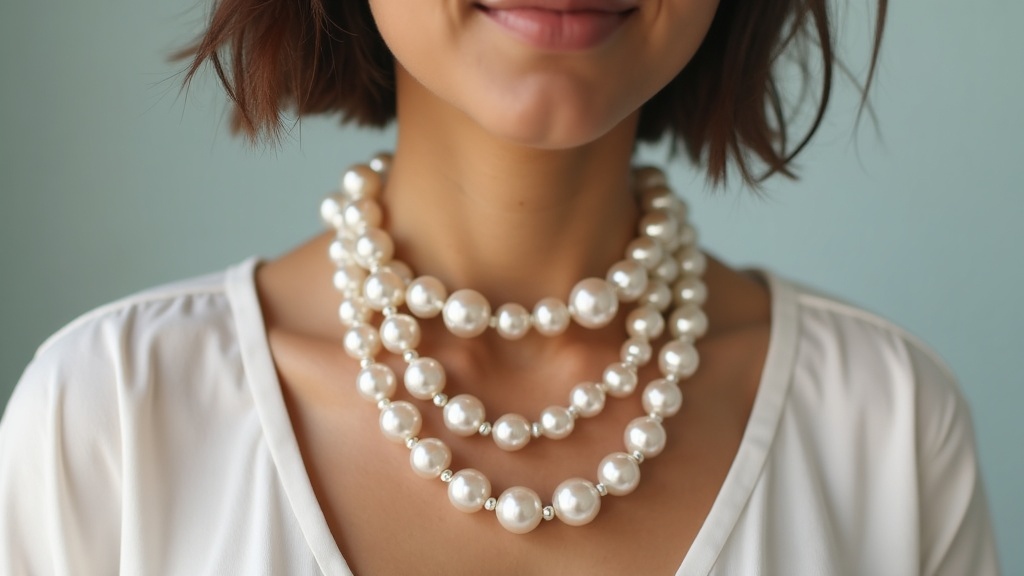
Selecting the correct dimensions is just as important as evaluating quality. The diameter of the beads drastically changes the visual weight of the jewelry. For everyday versatility, a freshwater pearl strand guide typically recommends sizes between 7.5 and 8.0 millimeters. This range offers a noticeable presence without feeling overly heavy or ostentatious. Length is equally crucial for achieving the desired silhouette. Industry experts note that a 16- to 18-inch strand is the most versatile choice, sitting comfortably at the collarbone and working beautifully with both casual and formal outfits.
Different lengths serve distinct styling purposes. A classic choker sits snugly at the base of the neck, while a princess length drapes elegantly over the collarbone. For those seeking a more dramatic drape, matinee and opera lengths provide excellent layering opportunities. When reviewing a guide to freshwater pearl necklaces, pay close attention to how the clasp functions. A secure, well-crafted clasp not only protects your investment but also adds a refined finishing touch. Consulting comprehensive pearl buying guidelines from trusted industry associations can further clarify how different lengths complement various necklines and personal styles.
Freshwater vs. Other Cultured Varieties
Understanding the origin of your jewelry helps contextualize its value and characteristics. Unlike ocean-harvested varieties, these gems are cultivated in lakes, rivers, and ponds using a freshwater mussel rather than a saltwater oyster. This biological difference allows a single mollusk to produce multiple gems simultaneously, making them more accessible without sacrificing beauty. The Pure Pearls Education Team explains, “Freshwater pearl necklaces are ideal for first‑time buyers because they offer the widest variety of sizes, shapes and natural colors at the most accessible price points” (Pure Pearls, 2024)[5].
When comparing them to other cultured pearls, distinct differences emerge. Akoya varieties are prized for their perfect roundness and sharp luster, while Tahitian gems are famous for their dark, exotic hues. South Sea pearls are the largest and rarest, commanding premium prices. However, modern cultivation techniques have dramatically improved the roundness and shine of freshwater options, bridging the gap between affordability and luxury. A thorough freshwater pearl necklace guide will highlight that these pieces offer exceptional value, providing the classic elegance of traditional jewelry at a fraction of the cost of their saltwater counterparts.
Styling and Customization Options
The versatility of these accessories makes them a staple in any wardrobe. They transition effortlessly from professional environments to evening galas. You can wear them running daily errands, whether you are grabbing coffee or stopping at a nearby gas station, as they elevate even the most casual outfits. Layering multiple strands of varying lengths creates a modern, textured look that feels fresh and contemporary. For a minimalist approach, a single, well-matched strand paired with a simple blouse or little black dress remains an undefeated classic.
Customization is another exciting avenue for personal expression. Many buyers explore unique modifications, such as adding a custom cat silhouette pendant from freshwaterpearlnecklace.com to personalize their strand. Incorporating colored gemstone spacers or mixing different shapes, like baroque and round beads, adds a unique artistic flair. When planning your styling strategy, consider the overtone of the beads. Rose overtones flatter cooler skin tones, while silver or ivory overtones complement warmer complexions. Ultimately, the best styling choices reflect your personal taste, ensuring the jewelry feels like a natural extension of your individual identity.
Important Questions About the Freshwater Pearl Necklace Guide
How do I properly clean my pearl jewelry?
Cleaning requires a gentle approach to protect the delicate nacre. Never use ultrasonic cleaners, harsh chemicals, or abrasive brushes, as these will permanently damage the surface. Instead, use a soft, lint-free cloth slightly dampened with water to wipe the beads after wearing them. If they require a deeper clean, use a mild soap solution and dry them flat on a towel. Always ensure the silk thread is completely dry before storing the piece to prevent stretching or mildew.
What is the best length for a beginner buyer?
For first-time buyers, an 18-inch princess length is widely considered the most versatile and forgiving option. This length rests comfortably just below the collarbone, complementing almost any neckline, from crew necks to V-necks. It is long enough to avoid feeling restrictive but short enough to maintain a classic, traditional appearance. If you prefer a more modern, snug fit, a 16-inch choker length is an excellent alternative that pairs beautifully with open-collar shirts and evening wear.
Are these gems considered real or synthetic?
They are absolutely real, organic gemstones created by living mollusks. The term “cultured” simply means that human intervention initiated the process by inserting a tissue graft into the mussel. From that point, the biological process of secreting nacre occurs entirely naturally over several years. They are not synthetic, plastic, or glass imitations. While they are more affordable than rare saltwater varieties, they possess the same genuine organic composition and structural integrity.
How should I store my necklace to prevent damage?
Proper storage is vital for maintaining their luster and preventing surface scratches. Always store them separately from harder gemstones and metals, ideally in a soft cloth pouch or a dedicated lined jewelry box. Never hang them on a hook for long periods, as the weight can stretch the silk thread over time. Additionally, keep them away from extremely dry environments, as the organic material needs a slight amount of ambient moisture to prevent cracking and peeling.
Comparing Pearl Necklace Lengths
Choosing the right length dramatically alters the visual impact of your jewelry. Different styles suit different necklines and occasions, making it important to understand standard measurements. Below is a comparison of standard lengths to help you decide which style best fits your wardrobe needs when consulting a freshwater pearl necklace guide.
| Length Style | Measurement | Best Use Case |
|---|---|---|
| Choker | 16 Inches | High necklines, formal evening wear |
| Princess | 17-19 Inches | Everyday wear, business casual, V-necks |
| Matinee | 20-24 Inches | Sweaters, dresses, professional settings |
| Opera | 28-36+ Inches | Layering, statement pieces, high-fashion |
Practical Tips for Pearl Maintenance
Maintaining the beauty of your jewelry requires consistent, mindful habits. Because organic gemstones are sensitive to chemicals and acids, adopting a proactive routine will significantly extend their lifespan. The Jewelers of America advises, “To keep a freshwater pearl necklace looking its best, put it on last after cosmetics and perfume, and wipe it gently with a soft cloth after each wear to remove any residues that can dull the nacre” (Jewelers of America, 2024)[6].
Follow these actionable steps to preserve your investment:
- Apply all hairspray, lotions, and perfumes at least ten minutes before putting on your jewelry.
- Have the silk thread professionally restrung every one to two years if worn frequently.
- Avoid wearing them during physical exercise or swimming, as sweat and chlorine degrade the surface.
- Gently polish the beads with a dry microfiber cloth to restore their natural shine after every use.
By integrating these simple practices into your daily routine, you ensure your accessories remain radiant for generations.
Wrapping Up
Selecting the perfect jewelry piece involves balancing quality, size, and personal style. This freshwater pearl necklace guide has equipped you with the essential knowledge to evaluate luster, understand grading factors, and choose the ideal length for your wardrobe. Remember that proper maintenance and mindful wearing habits are just as important as the initial purchase. For more insights on jewelry care, styling trends, and accessory guides, explore more helpful articles on superlewiss.com today.
Useful Resources
- Pearl Education Guides – Freshwater vs. Akoya. Pure Pearls.
https://www.purepearls.com/pages/pearl-education - Freshwater Pearl Necklace Guide: Length, Styles, Meaning. Alya Pearl.
https://alyapearl.com/blogs/the-pearl-guide-1/freshwater-pearl-necklace-guide-length-styles-meaning - Pearl Necklaces. Pearl Paradise.
https://www.pearlparadise.com/pages/pearl-necklaces - PEARLS 101 | A GUIDE TO COLOR, LUSTER & MORE. YouTube.
https://www.youtube.com/watch?v=SMfCuLhGE_s&vl=en - Pearl Buying Guide. Jewelers of America.
https://www.jewelers.org/buying-jewelry/jewelry-buying-guides/pearl-buying-guide
For more about Cat lover gift guide, see Cat Lover Gift Guide.