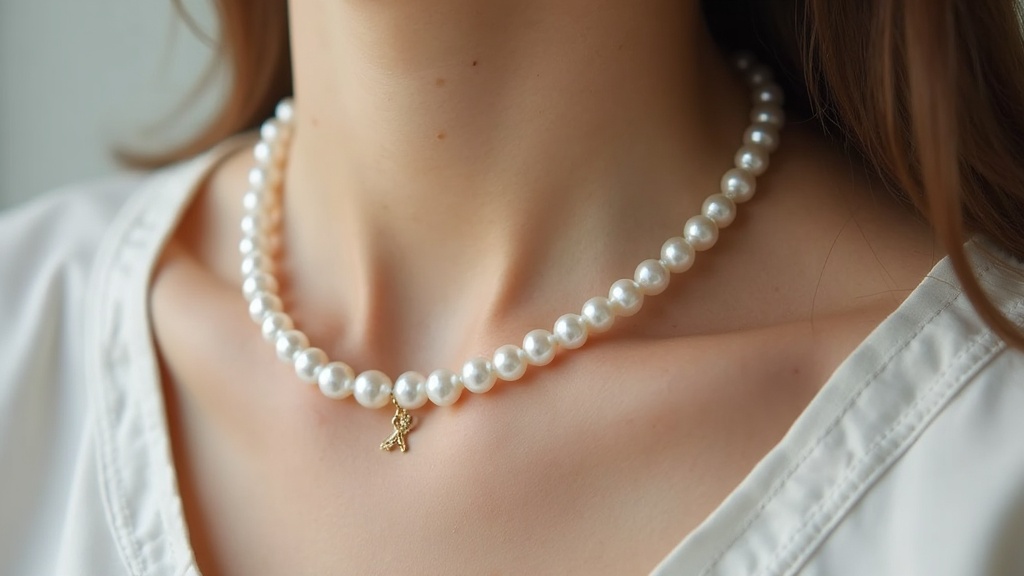
Discover the ultimate freshwater pearl necklace guide to help you choose, style, and care for beautiful pearl jewelry. Learn about luster, shapes, and care tips.
Table of Contents
- Key Takeaway
- Market Snapshot
- Introduction
- Understanding the Basics
- Evaluating Quality
- Styling and Wearing
- Care and Maintenance
- What People Are Asking
- Comparison
- Practical Tips
- The Bottom Line
For more about Tradelivingreview guide, see explore tradelivingreview guide in depth.
Key Takeaway
A freshwater pearl necklace guide is a comprehensive resource detailing the selection, styling, and preservation of cultured pearl jewelry. These accessories originate from mollusks in lakes and rivers, offering unique shapes and thick nacre layers that create exceptional depth and shimmer for everyday wear.
Market Snapshot
- Freshwater pearls are most often baroque in shape, which affects necklace style and matching (Jewelers of America, 2025)[1].
- These gems generally have thicker nacre than saltwater pearls, which can increase shimmer depth (Market Square Jewelers, 2025)[2].
- Perfectly round pearls are considered the classic benchmark for pearl shape quality (Pearls of Joy, 2025)[3].
- High-luster pearls are described as bright and mirror-like, which is a key buying criterion (Pearl Falco, 2026)[4].
Freshwater pearl necklace guides are essential for anyone looking to invest in elegant, timeless jewelry. Unlike their saltwater counterparts, these gems are cultivated in mussels living in lakes and rivers, resulting in distinct visual characteristics and structural differences. Shoppers often seek out these pieces for their remarkable versatility and accessible price points without sacrificing beauty.
Choosing the right strand requires understanding several critical factors, from evaluating surface quality to recognizing the subtle differences in overtone and luster. This article breaks down the fundamental aspects of buying, wearing, and maintaining these beautiful accessories. We will explore how to assess quality, compare different pearl types, and implement proper storage techniques to ensure your jewelry remains pristine for generations.
Whether you are purchasing your first strand or adding to an existing collection, knowing what to look for makes all the difference. (If you are specifically searching for a “freshwaterpearlnecklace guide” online, this article covers all the essential bases.)
Understanding the Basics of Pearl Cultivation
The foundation of any good freshwater pearl necklace guide begins with understanding how these unique gems are formed and harvested. Unlike ocean-harvested varieties, these gems are cultivated inside mussels that live in freshwater sources such as lakes and rivers. This specific environment influences their growth patterns, resulting in distinct visual and structural characteristics that set them apart in the jewelry market.
Because of their cultivation method, these gems are most often baroque in shape, which affects necklace style and matching (Jewelers of America, 2025)[1]. As the Jewelers of America notes, “Freshwater pearls, from freshwater sources like lakes and rivers, are most often baroque.” This means buyers will frequently encounter organic, asymmetrical shapes rather than perfect spheres, giving each strand a unique, natural aesthetic. For broader gemological context, reviewing the Gemological Institute of America pearl education materials provides excellent foundational knowledge.
Another defining characteristic is the substantial nacre layer. These gems generally have thicker nacre than saltwater pearls, which can increase shimmer depth (Market Square Jewelers, 2025)[2]. This thicker coating not only enhances the visual depth but also contributes to the overall durability of the jewelry, making it an excellent choice for daily wear.
The cultivation process typically involves inserting small pieces of mantle tissue into the mussel, which then secretes nacre around the irritant. Over several years, this builds up to form the final gem. Because multiple gems can be grown in a single mussel simultaneously, the production yield is higher, which helps keep prices accessible for consumers while maintaining high aesthetic standards.
Evaluating Quality Using a Freshwater Pearl Necklace Guide
Assessing the overall value of a strand requires a careful examination of luster, surface cleanliness, and shape consistency. When consulting a freshwater pearl necklace guide, buyers should always prioritize luster above all other factors, as it is the primary indicator of a gem’s vitality and light-reflecting capabilities.
Luster refers to the sharpness and intensity of reflections on the surface. According to Pearl Falco, “High-lustre pearls are bright, mirror-like, and highly valued.” When evaluating a piece, look for a sharp, distinct reflection of light sources rather than a dull or chalky appearance. High-luster pearls are described as bright and mirror-like, which is a key buying criterion (Pearl Falco, 2026)[4].
Shape is the next critical metric. While baroque shapes are common and celebrated for their uniqueness, perfectly round pearls are considered the classic benchmark for pearl shape quality (Pearls of Joy, 2025)[3]. Strands featuring uniform, spherical gems command higher prices due to the difficulty of matching them during the stringing process.
Surface quality also plays a vital role in determining value. Minor blemishes, spots, or ridges are natural and expected, but heavy scarring or chalky patches can compromise both the beauty and structural integrity of the jewelry. Always inspect the strand under good lighting to ensure the surface is relatively clean and smooth.
Styling and Wearing Your Pearl Jewelry
Integrating these classic accessories into a modern wardrobe requires thoughtful consideration of neckline, occasion, and personal aesthetic. A well-chosen strand can elevate a simple outfit or add a touch of elegance to formal evening wear, making it one of the most versatile items in any jewelry box.
For everyday wear, shorter lengths like the choker or princess style sit beautifully above the collarbone and pair effortlessly with casual blouses, knitwear, or simple t-shirts. These lengths draw attention to the face and provide a subtle polish without appearing overly formal. When exploring different styling options, reading a comprehensive fashion accessories trends report can help you align your jewelry choices with current seasonal aesthetics.
Longer strands, such as matinee or opera lengths, are ideal for professional settings or formal events. They can be worn as a single long strand for a sleek, elongating effect, or doubled up to create a layered, sophisticated look. The organic, baroque shapes often found in these pieces add a contemporary edge that prevents the jewelry from looking dated or strictly traditional.
Mixing metals and textures is another excellent way to modernize your look. Pairing a classic white strand with mixed-metal pendants or layering it alongside delicate gold chains creates a curated, eclectic vibe. The key to successful styling is balancing the inherent elegance of the gems with the relaxed elements of your daily wardrobe, ensuring the pieces feel like a natural extension of your personal style.
Care and Maintenance for Longevity
Preserving the natural beauty and structural integrity of your jewelry demands a consistent and gentle cleaning routine. Because these organic gems are relatively soft and porous, they are highly susceptible to damage from everyday substances, making proper maintenance absolutely essential for long-term preservation.
The most important daily habit is cleaning the gems immediately after use. Pearl Falco advises to “Wipe pearls with a soft cloth after wearing to remove oils and sweat.” This simple step prevents the buildup of acidic residues that can slowly degrade the nacre and dull the luster over time. Never use ultrasonic cleaners, steam cleaners, or harsh chemical solutions, as these will permanently damage the delicate surface.
Proper storage is equally critical. Pearls should be stored separately from other jewelry to reduce scratching (Pearl Falco, 2026)[4]. Keep them in a soft pouch or a lined jewelry box, away from harder gemstones like diamonds or sapphires that could easily gouge the soft nacre. Additionally, avoid storing them in airtight plastic bags, as the gems need a slight amount of moisture to prevent cracking.
Finally, always remember the rule of “last on, first off.” Pearl jewelry should avoid contact with perfume, hairspray, and harsh chemicals (Pearl Falco, 2026)[4]. Apply all cosmetics, fragrances, and styling products before putting on your jewelry, and remove it before bathing or swimming. Following these guidelines ensures your accessories remain radiant for years to come.
What People Are Asking
How do I know if my pearls are real?
The most reliable at-home method is the tooth test. Gently rub the gem against the biting edge of your front tooth. A real gem will feel slightly gritty or sandy due to its crystalline nacre structure, while a faux version will feel perfectly smooth and glassy. Additionally, real gems will have minor surface imperfections and feel cool to the touch initially, whereas imitation versions are often flawless and quickly adopt room temperature.
Can I wear my pearl necklace every day?
Yes, you can wear them daily, and doing so can actually benefit the gems. The natural oils from your skin help keep the nacre moisturized and maintain its luster. However, daily wear requires strict adherence to maintenance rules. You must wipe them down after every use, keep them away from cosmetics and perfumes, and ensure they are stored properly at night. If worn frequently, remember to have the silk thread professionally checked and restrung to prevent breakage.
Why are freshwater pearls generally less expensive than saltwater ones?
The price difference is primarily driven by the cultivation yield. A single saltwater oyster typically produces only one or two gems at a time, whereas a freshwater mussel can produce dozens simultaneously. This higher production volume makes them more abundant and accessible. However, this does not mean they are lower in quality; in fact, their thicker nacre often makes them more durable and gives them a beautiful, deep shimmer that rivals their ocean-grown counterparts.
What is the best way to clean a heavily soiled strand?
If a strand becomes heavily soiled, avoid submerging it in water, as this can weaken the silk thread and cause it to stretch or rot. Instead, dampen a soft, lint-free cloth with a mild solution of water and a tiny drop of gentle, non-detergent soap. Carefully wipe each gem individually, avoiding the drill holes as much as possible. Follow up by wiping them with a cloth dampened only with plain water, then lay the strand flat on a dry towel to air dry completely before storing.
Comparing Pearl Types
Understanding the distinctions between different gem varieties helps buyers make informed decisions based on their budget, style preferences, and durability requirements. While all cultured gems share a similar biological origin, their specific environments and cultivation methods result in noticeable differences in appearance and price.
| Feature | Freshwater | Akoya (Saltwater) | Faux (Imitation) |
|---|---|---|---|
| Origin | Lakes and rivers | Ocean bays | Manufactured glass/plastic |
| Nacre Thickness | Thick, solid nacre | Thin nacre over bead | Painted coating |
| Shape | Often baroque or oval | Mostly perfectly round | Perfectly uniform |
| Luster | Deep, soft shimmer | Sharp, mirror-like | Flat, artificial shine |
Practical Tips for Buyers
Navigating the jewelry market can be overwhelming, but applying a few strategic practices will ensure you secure a high-quality piece that meets your expectations. Always purchase from reputable jewelers who provide detailed information about the origin, grading, and treatment of their inventory.
- Examine the strand in natural daylight whenever possible, as artificial store lighting can mask dullness or enhance color artificially.
- Check the drill holes for signs of peeling or chipping, which indicates poor processing or a very thin nacre layer over a shell bead.
- Ensure the knots between each gem are tight and uniform, preventing the pieces from rubbing together and minimizing loss if the thread breaks.
Finally, consider the clasp mechanism. A sturdy, well-crafted clasp not only secures the jewelry but also serves as an indicator of the overall craftsmanship. For more detailed advice on evaluating jewelry craftsmanship, review our jewelry craftsmanship evaluation checklist before making your final purchase.
The Bottom Line
Selecting the perfect strand is a rewarding experience when armed with the right knowledge. By focusing on luster, understanding the natural variations in shape, and committing to proper maintenance, you can enjoy the timeless elegance of these gems for a lifetime. A reliable freshwater pearl necklace guide serves as your best tool for navigating the market with confidence. Ready to expand your collection? Read our ultimate pearl care routine guide to keep your new jewelry looking flawless.
Useful Resources
- Pearl Buying Guide. Jewelers of America.
https://www.jewelers.org/buying-jewelry/jewelry-buying-guides/pearl-buying-guide - Which Pearl Is Which: A Helpful Guide. Market Square Jewelers.
https://www.marketsquarejewelers.com/blogs/msj-handbook/which-pearl-is-which-a-helpful-guide - Pearl Shapes 101 – Official Buyer’s Guide. Pearls of Joy.
https://www.pearlsofjoy.com/pages/pearl-shapes - 2026 Beginner’s Guide To Pearl Jewelry: Essential Tips On How To … Pearl Falco.
https://www.pearlfalco.com/beginners-guide-to-pearl-jewelry/