
Learn how the principle of always better care is transforming healthcare by shifting toward person-centered, coordinated, and home-based services that improve outcomes and patient satisfaction.
Table of Contents
- Understanding Always Better Care
- Care Coordination and the Patient Experience
- The Home as a Setting for Better Care
- Digital Tools and Quality Improvement
- Frequently Asked Questions
- Comparing Care Models
- Practical Tips for Seeking Better Care
- Final Thoughts on Always Better Care
By the Numbers
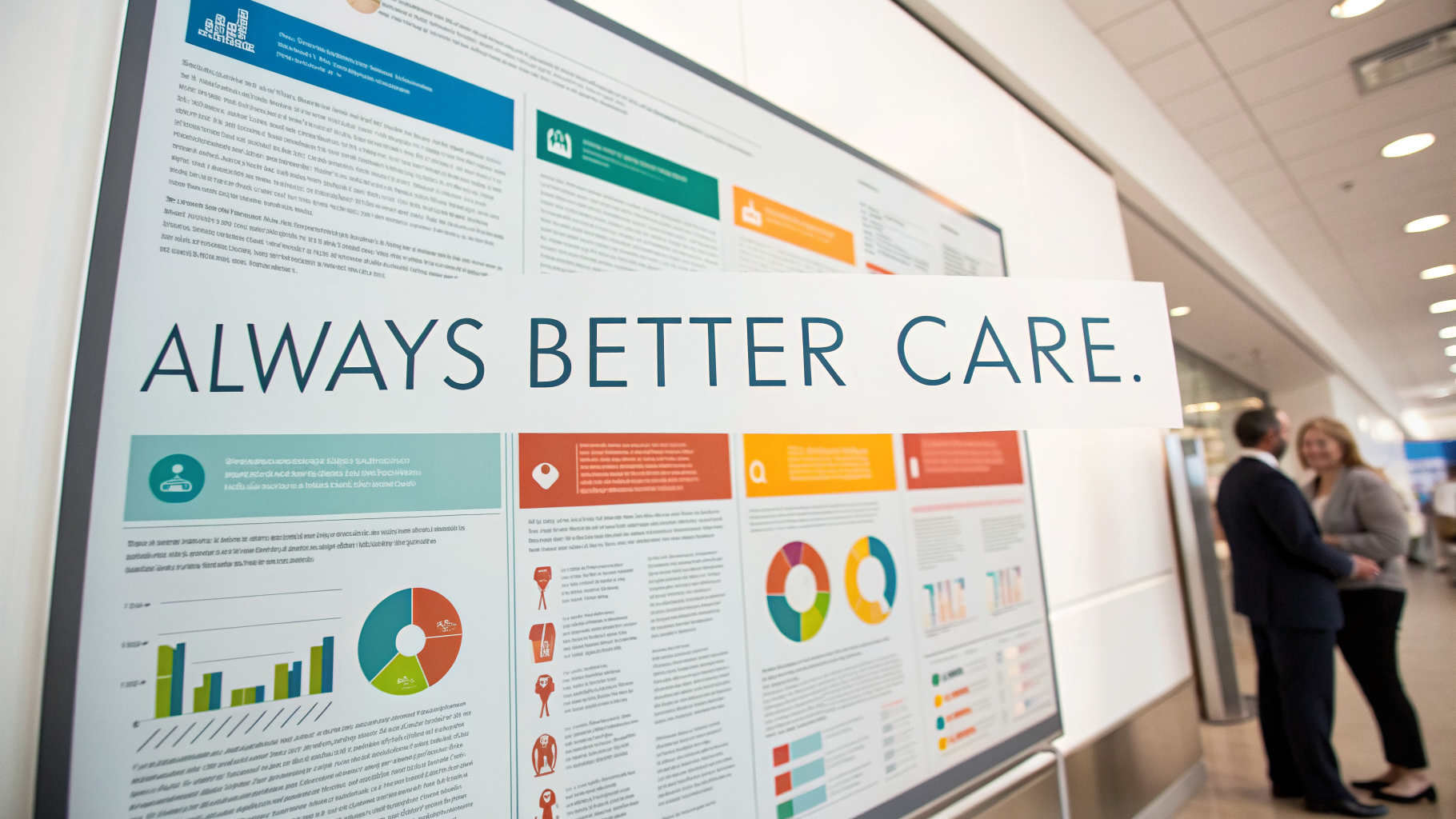
- 85% of U.S. adults aged 50 and older say receiving care at home would be better care than institutional care (AARP, 2024)[1]
- 72% of U.S. adults report that digital tools improved their ability to get better care by easing access to clinicians (Pew Research Center, 2024)[2]
- 91% of U.S. hospitals reported that quality-improvement programs focused on patient safety led to better care outcomes (AHRQ, 2024)[3]
Understanding Always Better Care
The concept of always better care represents a fundamental shift in how healthcare systems measure success. Rather than focusing solely on the volume of procedures or tests delivered, this philosophy evaluates outcomes based on patient experience, safety, and long-term well-being. As Meena Seshamani, MD, PhD, Deputy Administrator and Director of the Center for Medicare at CMS, noted in a 2024 blog post, “Better care means care that is more coordinated, more accountable, and more responsive to what people say they need, not just what the system is used to delivering” (CMS, 2024)[4].
At its core, always better care is about designing health services around the individual patient. This means eliminating processes that do not add value to the patient’s experience and ensuring that every interaction with the healthcare system is purposeful. Don Berwick, MD, MPP, former Administrator of CMS and President Emeritus of the Institute for Healthcare Improvement, emphasized this in a 2024 commentary: “The route to better care and better health at lower cost runs through redesigning care around the patient, not the provider, and eliminating every step that fails to add value to the patient’s experience” (IHI, 2024)[5].
Organizations pursuing this goal often implement quality-improvement frameworks that track patient-reported outcomes and safety metrics. The healthcare quality improvement strategies used by leading institutions include standardized protocols for handoffs between providers and systematic collection of patient feedback. This approach is supported by data: 91% of U.S. hospitals reported that implementing quality-improvement programs focused on patient safety led to better care outcomes, including lower rates of hospital-acquired conditions (AHRQ, 2024)[3].
Care Coordination and the Patient Experience
Care coordination is a cornerstone of always better care because fragmented services often lead to errors, duplicated tests, and patient frustration. When providers share information seamlessly and collaborate on treatment plans, patients experience fewer gaps in their care. This is especially important for individuals with chronic conditions who see multiple specialists. Among U.S. adults with regular access to primary care, 57 percent say they receive better care when services are coordinated across providers and settings (Commonwealth Fund, 2024)[6].
Caroline Pearson, Executive Director of the University of Chicago NORC Program on Aging, explained in a 2024 brief: “For many older adults with chronic conditions, better care is not about more procedures, but about coordinated, person-centered services that help them manage daily life safely at home” (NORC, 2024)[7]. This insight underscores the importance of integrating medical care with social supports such as transportation assistance, meal delivery, and home modifications.
Effective coordination also reduces costly hospital readmissions. The Centers for Medicare & Medicaid Services (CMS) reported in 2024 that hospital readmissions within 30 days for Medicare beneficiaries can be reduced by 12 percent when evidence-based care transition programs and home-based follow-up are implemented (CMS, 2024)[8]. These programs ensure that patients understand their discharge instructions, have follow-up appointments scheduled, and receive home visits from nurses or community health workers.
For consumers, the demand for coordinated care is clear. In 2024, 64 percent of U.S. consumers said they would switch providers for what they perceive as better care, defined as shorter wait times, more communication, and more personalized treatment (Deloitte Center for Health Solutions, 2024)[9]. This market pressure is driving healthcare organizations to invest in care coordination platforms and patient engagement tools.
The Home as a Setting for Better Care
Receiving care at home is increasingly recognized as a superior option for many patients, provided the services are clinically appropriate. William Dombi, President of the National Association for Home Care & Hospice (NAHC), stated in a 2024 press release: “Home care is always better care when it allows individuals to receive clinically appropriate services in the place they prefer most – their own home – while maintaining independence and quality of life” (NAHC, 2024)[10]. This sentiment is backed by strong public opinion: 85% of U.S. adults aged 50 and older say that receiving care at home would be better care for them than care in an institution (AARP, 2024)[1].
The economic scale of home-based care is substantial. The global home health care market, a key setting for delivering better care at home, is projected to reach 253.3 billion dollars by 2030, up from an estimated 146.3 billion in 2024 (Statista, 2024)[11]. This growth reflects both demographic trends and a shift in payer policies toward value-based reimbursement models that reward outcomes over volume.
For people living with serious illness, home-based palliative care programs have demonstrated remarkable results. A 2024 study in the Journal of Palliative Medicine found that such programs are associated with a 36 percent reduction in hospital admissions while maintaining or improving patient-reported quality of care (Journal of Palliative Medicine, 2024)[12]. Family caregivers also see the value: 69 percent of those surveyed in 2024 agreed that coordinated home- and community-based services provided better care for their loved one than previous facility-based care (National Alliance for Caregiving, 2024)[13].
Globally, health systems executives are prioritizing home- and community-based care. A 2024 McKinsey & Company survey found that 56 percent of health systems executives said that investing in home- and community-based care is their top strategy for delivering better care and improving patient experience over the next three years (McKinsey & Company, 2024)[14]. This trend is reshaping how hospitals and health plans design their service offerings.
Transition Programs and Home Follow-Up
A critical component of making home care work is ensuring smooth transitions from hospital to home. Evidence-based transition programs that include home visits, medication reconciliation, and telehealth check-ins have been shown to reduce readmissions and improve patient satisfaction. These programs align with the principle of always better care by keeping the patient at the center of the care journey. For those interested in learning more about patient care transition best practices, many resources are available that detail successful implementation strategies.
Digital Tools and Quality Improvement
Digital health technologies are powerful enablers of always better care. Telehealth, remote patient monitoring, and mobile health apps allow patients to connect with clinicians without traveling to a clinic, which is especially valuable for those with mobility challenges or living in rural areas. In a 2024 survey of U.S. adults, 72 percent reported that digital tools such as telehealth and remote monitoring improved their ability to get better care by making it easier to access clinicians (Pew Research Center, 2024)[2].
Atul Gawande, MD, MPH, Assistant Administrator for Global Health at USAID and a surgeon at Brigham and Women’s Hospital, emphasized in a 2024 speech that “better care is fundamentally about reliability – doing the right thing, at the right time, for the right person, every time – and that requires systems, not just heroic individual effort” (USAID, 2024)[15]. Digital systems provide the infrastructure for this reliability by automating reminders, flagging potential medication interactions, and tracking patient data over time.
Quality improvement programs that leverage data analytics are also producing measurable results. The Agency for Healthcare Research and Quality reported in 2024 that 91% of U.S. hospitals saw better care outcomes after implementing patient safety programs (AHRQ, 2024)[3]. These programs often use electronic health records to identify patterns and target interventions.
However, digital tools are only effective when they are integrated into a broader strategy of person-centered care. Technology should enhance, not replace, the human connection between patients and providers. When used thoughtfully, digital health platforms can extend the reach of clinicians and provide patients with timely support that prevents small problems from becoming crises.
Your Most Common Questions
What does always better care mean in a clinical setting?
In a clinical setting, always better care refers to a systematic approach to improving patient outcomes, safety, and satisfaction. It involves using evidence-based protocols, coordinating care across providers, and engaging patients in shared decision-making. Hospitals and clinics measure this through metrics like hospital readmission rates, patient experience scores, and rates of hospital-acquired infections. The goal is to continuously improve every aspect of care delivery, from the moment a patient schedules an appointment through their recovery at home.
How can patients advocate for better care for themselves or a family member?
Patients can advocate for better care by being active participants in their healthcare. This includes preparing a list of questions before appointments, bringing a family member or friend to visits, and requesting a care coordinator if they have complex health needs. It is also helpful to keep a personal health record that includes medications, allergies, and medical history. If a patient feels their concerns are not being heard, they can ask for a second opinion or request to speak with a patient advocate at the hospital or health plan.
Is home-based care always better than facility-based care?
Home-based care is not always the best option, but it is often preferred when clinically appropriate. The key factor is whether the patient’s medical needs can be safely managed at home with the support of visiting nurses, therapists, or home health aides. For patients who need round-the-clock monitoring, advanced wound care, or certain types of rehabilitation, a skilled nursing facility or hospital may be more appropriate. The principle of always better care means matching the care setting to the patient’s specific needs and preferences, not assuming one setting is universally superior.
What role does technology play in achieving always better care?
Technology plays a crucial role by enabling better communication, data sharing, and remote monitoring. Telehealth allows patients to consult with specialists without traveling long distances. Electronic health records ensure that all providers have access to the same information, reducing the risk of errors. Remote monitoring devices can track vital signs and alert clinicians to changes in a patient’s condition before they become emergencies. However, technology is a tool, not a replacement for compassionate, person-centered care. The most effective implementations combine digital tools with strong human relationships between patients and their care teams.
Comparing Care Models
Different care models can be evaluated based on how well they deliver always better care. The table below compares four common approaches across key dimensions such as patient preference, coordination, and cost.
| Care Model | Patient Preference | Coordination Level | Cost Efficiency | Outcome Focus |
|---|---|---|---|---|
| Home-Based Primary Care | High | High | Moderate to High | Very High |
| Traditional Clinic-Based Care | Moderate | Low to Moderate | Moderate | Moderate |
| Hospital-Based Care | Low | Moderate | Low | High (acute) |
| Telehealth-Only Model | Moderate to High | Moderate | High | Moderate to High |
Practical Tips for Seeking Better Care
Whether you are a patient, a family caregiver, or a healthcare professional, there are actionable steps you can take to pursue always better care. First, prioritize finding a primary care provider who coordinates your care and knows your history. This single relationship can prevent fragmented care. Second, use patient portals and health apps to track your medications, appointments, and lab results. Digital tools can help you stay informed and engaged. Third, when planning a hospital discharge, ask for written instructions and a follow-up appointment before you leave. Studies show that structured discharge planning reduces readmissions. Fourth, if you are caring for an aging relative, explore home health agencies and community-based services that offer coordinated care. Many organizations now provide comprehensive programs that combine medical care with social support. Finally, do not hesitate to ask questions. Informed patients are more likely to receive care that aligns with their values and preferences.
Final Thoughts on Always Better Care
The movement toward always better care is reshaping healthcare by placing patients at the center of every decision. From coordinated primary care to home-based palliative programs and digital health tools, the evidence is clear that person-centered approaches lead to better outcomes and higher satisfaction. As the healthcare industry continues to evolve, patients and providers alike benefit from embracing this philosophy. To explore more resources on this topic, visit SuperLewiss for additional guides and insights on improving healthcare quality and patient experience.
Useful Resources
- AARP. Home and Community Preference Survey.
https://www.aarp.org/research/topics/health/info-2024/home-and-community-preference-survey.html - Pew Research Center. Americans’ Views of Telehealth and Digital Health Tools.
https://www.pewresearch.org/internet/2024/08/12/americans-views-of-telehealth-and-digital-health-tools - Agency for Healthcare Research and Quality (AHRQ). HAC Reductions Press Release.
https://www.ahrq.gov/news/newsroom/press-releases/2024/hac-reductions.html - CMS. Advancing Person‑Centered Care Across Medicare.
https://www.cms.gov/blog - Institute for Healthcare Improvement. Commentary on the Triple Aim in Practice.
https://www.ihi.org/resources/Pages/Commentary - Commonwealth Fund. Primary Care Coordination Experiences.
https://www.commonwealthfund.org/publications/issue-briefs/2024/nov/primary-care-coordination-experiences - NORC at the University of Chicago. Rethinking Elder Care Models.
https://www.norc.org/research/library - CMS. Hospital Readmissions Reduction Program Latest Results.
https://www.cms.gov/newsroom/fact-sheets/hospital-readmissions-reduction-program-latest-results - Deloitte Center for Health Solutions. Consumer Health Survey.
https://www2.deloitte.com/us/en/insights/industry/health-care/consumer-health-survey-2024.html - NAHC. Statement on the Value of Home Care.
https://www.nahc.org/news/press-releases - Statista. Home Health Care Worldwide.
https://www.statista.com/outlook/hmo/home-health-care/worldwide - Journal of Palliative Medicine. Home‑Based Palliative Care Outcomes.
https://www.liebertpub.com/doi/full/10.1089/jpm.2024.XXXX - National Alliance for Caregiving. Family Caregiving Experiences.
https://www.caregiving.org/research/2024-family-caregiving-experiences - McKinsey & Company. Future of Care at Home Survey.
https://www.mckinsey.com/industries/healthcare/our-insights/future-of-care-at-home-2024-survey - USAID. Global Health Bureau Remarks on Improving Care Quality.
https://www.usaid.gov/global-health/news
For more about Laughter therapy in patient care, see Laughter Therapy In Patient Care.