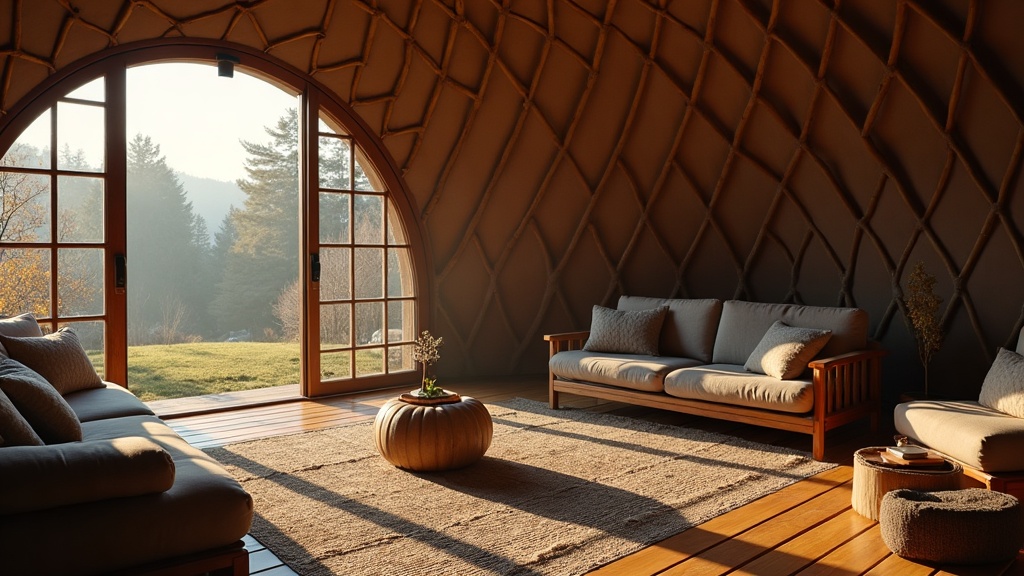
Discover the ultimate dragonyurts guide for planning your perfect outdoor retreat. Learn about setup, materials, and maintenance for your next off-grid adventure.
Table of Contents
- Understanding the Basics of Yurt Structures
- Choosing the Right Materials for Your Setup
- Site Selection and Foundation Preparation
- Maintenance and Longevity Strategies
- Important Questions About the Dragonyurts Guide
- Comparing Shelter Approaches
- Practical Tips for Outdoor Living
Article Snapshot
The dragonyurts guide is a comprehensive framework for designing, assembling, and maintaining circular portable dwellings. This resource covers structural components, material selection, and site preparation to ensure a durable and comfortable off-grid living experience for enthusiasts and beginners alike.
The dragonyurts guide provides the essential roadmap for anyone looking to embrace circular living. Whether you are seeking a weekend glamping setup or a permanent residence, understanding the unique architecture of these structures is crucial. The transition from traditional housing to a portable canvas tent requires careful planning and a solid grasp of nomadic architecture principles. This article breaks down the core elements of building and maintaining your shelter. We will explore the wooden lattice walls, the central roof ring, and the tension bands that give these dwellings their remarkable structural integrity. By the end of this read, you will have a clear understanding of how to select the right yurt kit, prepare your foundation, and protect your investment from the elements. Let us dive into the fundamentals of creating a sustainable building that stands the test of time.
Understanding the Basics of Yurt Structures
The foundation of any successful circular dwelling lies in understanding its unique engineering and historical roots. Unlike rectangular buildings that rely on rigid load-bearing walls, these structures distribute weight evenly through a continuous circular design. The primary wall component is the wooden lattice, which expands and contracts like an accordion during transport and assembly. This flexible framework provides the base for the entire shelter.
Above the lattice, angled roof poles connect the wall to a central roof ring. This crown piece is the architectural heart of the structure, allowing for natural light and essential ventilation. The entire system is held together by a heavy tension band that wraps around the perimeter of the wall. This band prevents the roof poles from pushing the walls outward, creating immense structural integrity without the need for internal support columns. Consulting a detailed dragonyurts guide will help you understand how these forces interact during high winds and heavy snow.
The physics of this design make it incredibly resilient. The aerodynamic shape allows wind to flow smoothly around the exterior, reducing the risk of damage during severe storms. Furthermore, the open floor plan maximizes usable space, making it an ideal choice for those seeking efficient portable housing. Understanding these basic mechanical principles is the first step toward a successful build.
Choosing the Right Materials for Your Setup
Selecting high-quality components is the most critical decision you will make when assembling your shelter. The outer layers must withstand harsh environmental conditions while maintaining a comfortable interior climate. Most modern setups utilize a multi-layer approach, starting with an interior decorative liner, followed by a thick insulation liner, and finishing with a durable waterproof cover. This combination ensures excellent thermal retention and weather resistance.
When evaluating a dragonyurts guide, pay close attention to the fabric specifications. Cotton canvas is highly breathable and traditional, but it requires regular treatment to prevent mildew. Synthetic blends offer superior water resistance and require less maintenance, making them ideal for damp climates. The timber frame components should be crafted from treated, kiln-dried wood to prevent warping and insect damage over time. Before transporting your heavy canvas and timber, you might search for a convenient gas station near me to ensure your truck has enough fuel for the journey.
Hardware selection is equally important. Galvanized steel cables or high-tensile synthetic ropes are typically used for the tension band and roof tie-downs. Using substandard hardware can lead to catastrophic failure during extreme weather events. Investing in premium materials upfront will save you significant time and money on replacements, ensuring your off-grid living experience remains safe and comfortable for years to come.
Site Selection and Foundation Preparation
A durable outdoor retreat requires a level, well-drained foundation to prevent moisture damage and structural shifting. The site selection process begins with evaluating the topography and soil composition of your chosen land. Avoid low-lying areas where water naturally pools, as prolonged exposure to moisture will quickly degrade the base of your wooden lattice and promote mold growth on the canvas.
Once you have identified a suitable location, the ground must be cleared of vegetation and leveled. Many builders construct a circular wooden deck to elevate the structure above the soil, providing excellent airflow and a solid anchoring point. Alternatively, a compacted gravel pad with a French drain system offers a more affordable and eco-friendly shelter foundation. When consulting your dragonyurts guide, ensure you follow the specific anchoring instructions for your chosen base type to maintain stability.
Environmental stewardship should also play a role in your site preparation. Minimizing soil disruption and preserving existing tree canopies helps maintain the natural microclimate of your property. For more information on minimizing environmental impact during site preparation, consult the Leave No Trace outdoor ethics principles. Proper site prep not only protects the surrounding ecosystem but also enhances the longevity and performance of your shelter, as detailed in your dragonyurts guide.
Maintenance and Longevity Strategies
Regular upkeep and seasonal inspections are mandatory to extend the lifespan of your eco-friendly shelter. The exterior cover bears the brunt of sun, rain, and snow, making it the most vulnerable component. You should clean the canvas at least twice a year using a soft brush and mild soap, avoiding harsh chemicals that can strip the factory-applied water repellents. Reapplying a UV-protective waterproofing spray every few seasons will significantly delay fabric degradation.
The wooden lattice and roof poles also require periodic attention. Inspect the timber frame for signs of insect activity, rot, or stress fractures, particularly at the joints where the roof poles meet the crown. Applying a fresh coat of boiled linseed oil or a specialized wood preservative will keep the timber hydrated and resistant to moisture. A comprehensive dragonyurts guide will provide specific maintenance schedules based on your local climate conditions.
Interior maintenance focuses on managing humidity and preserving the interior layout. Proper ventilation is crucial to prevent condensation from accumulating on the inside of the insulation liner. If you are taking a break from your build to enjoy some leisure time, checking the latest masters golf tournament leaders can provide a relaxing distraction. Keeping the interior dry and well-ventilated ensures your space remains a comfortable sanctuary regardless of the season.
Important Questions About the Dragonyurts Guide
How long does it take to assemble a standard kit?
Assembling a standard circular dwelling typically takes between two and five days for a small team of three to four people. The initial setup involves erecting the lattice walls, installing the door frame, and hoisting the roof ring. First-time builders should consult their dragonyurts guide carefully and allow extra time for learning the specific tensioning techniques required to secure the outer covers properly.
Can these structures withstand heavy snow loads?
Yes, when properly engineered and maintained, these structures can handle significant snow accumulation. The steep angle of the roof poles encourages snow to slide off naturally. However, builders in heavy snow regions must install additional center support posts and use reinforced roof poles to prevent the crown from sagging under extreme weight. Regular clearing of heavy buildup is also recommended during severe winter storms.
What is the best way to heat the interior during winter?
Wood-burning stoves are the most popular and efficient heating solution for these spaces. The circular design promotes excellent convection, allowing warm air to circulate evenly along the walls and rise toward the center. It is critical to install a proper heat shield and use a specialized flashing kit where the stovepipe exits through the roof ring to prevent fire hazards and maintain the waterproof seal.
Do I need a building permit for a temporary setup?
Permit requirements vary significantly depending on local zoning laws and the intended duration of the structure. Because these dwellings are often classified as temporary or semi-permanent structures, they may bypass strict residential building codes. However, if you install a permanent foundation, connect to municipal utilities, or use it as a primary residence, you will likely need to apply for standard building permits from your local authority.
Comparing Shelter Approaches
When consulting your dragonyurts guide, you will notice three primary approaches to construction and material selection. Each method offers distinct advantages depending on your budget, climate, and intended use. The following table outlines the core differences between traditional, modern, and hybrid setups to help you make an informed decision.
| Approach | Primary Materials | Best Use Case |
|---|---|---|
| Traditional | Raw timber, felt, and cotton canvas | Seasonal glamping and historical recreation |
| Modern | Engineered wood, synthetic fabrics, and steel hardware | Permanent off-grid living and harsh climates |
| Hybrid | Kiln-dried timber, eco-canvas, and reflective insulation | Year-round eco-friendly shelter and guest housing |
Modern designs prioritize weather resistance and low maintenance, while traditional builds focus on breathability and authentic nomadic aesthetics. Hybrid models attempt to bridge this gap, offering the visual warmth of natural materials combined with the performance of modern textiles.
Practical Tips for Outdoor Living
Transitioning to a circular living space requires a shift in how you organize and maintain your environment. Maximizing the unique floor plan and managing the interior climate are essential for long-term comfort. Here are several actionable strategies to optimize your setup:
- Utilize curved furniture and modular shelving that aligns with the perimeter walls to preserve the open central space and maintain the natural flow of the interior layout.
- Install a solar-powered exhaust fan near the roof ring to actively manage humidity levels and prevent condensation from forming on the insulation liner during cold mornings.
- Create a designated mudroom or covered entryway outside the main door to trap dirt and moisture before it reaches the interior flooring, significantly reducing your weekly cleaning workload.
Additionally, consider the orientation of your door and windows relative to the sun and prevailing winds. Positioning the door away from harsh winter winds and maximizing southern window exposure will passively heat your space and reduce your reliance on supplemental heating sources throughout the colder months.
Key Takeaways
Building and maintaining a circular portable dwelling is a rewarding endeavor that blends ancient engineering with modern material science. By carefully selecting your site, investing in high-quality components, and adhering to a strict maintenance schedule, you can create a resilient and comfortable sanctuary. This dragonyurts guide has covered the essential steps to ensure your project succeeds from the ground up. For more insights on outdoor projects and lifestyle planning, explore the extensive resources available on superlewiss.com.
Learn More
- Leave No Trace Outdoor Ethics. Leave No Trace Center for Outdoor Ethics.
https://lnt.org/why/7-principles/
For more about Dragonyurts guide, see Dragonyurts Guide.