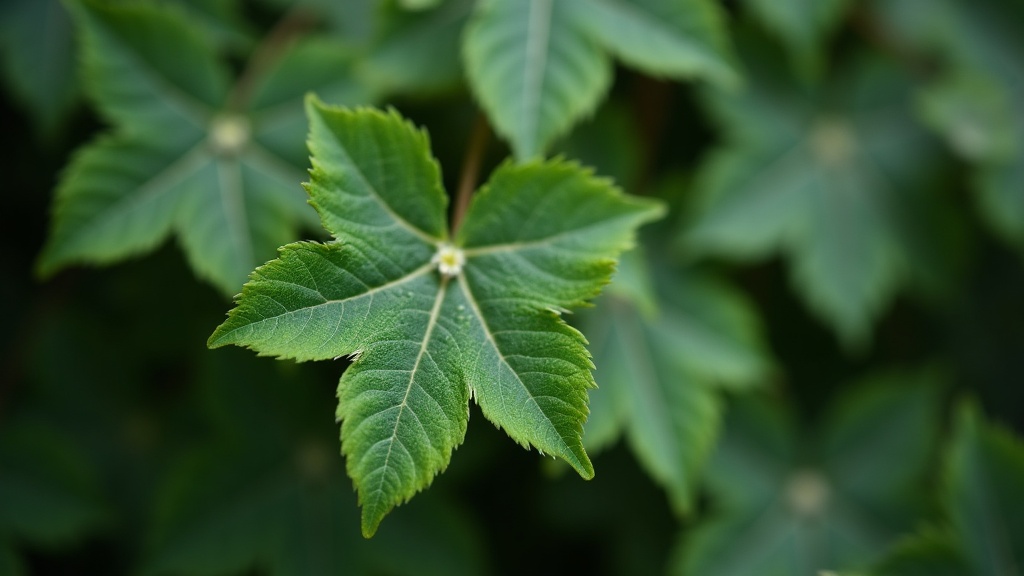
Discover our complete creepinghemlock guide to learn effective identification, removal, and long-term control strategies for managing this toxic species.
Table of Contents
- Key Takeaway
- Market Snapshot
- Introduction
- creepinghemlock guide: Identifying the Toxic Weed
- Mechanical Removal Methods
- Chemical Control Strategies
- Long-Term Prevention Tactics
- Your Most Common Questions
- Comparing Control Methods
- Practical Tips
- Before You Go
This creepinghemlock guide is a comprehensive resource for identifying, managing, and eradicating toxic invasive plants. It covers mechanical removal, chemical treatments, and long-term prevention strategies to protect landscapes and natural habitats from severe infestations.
Market Snapshot
- Poison hemlock seeds can remain viable in the soil for up to 3 years (U.S. Forest Service, Southwestern Region, 2024)[1].
- Repeated mowing over 3–5 years is typically necessary to significantly reduce seed banks (U.S. Forest Service, Southwestern Region, 2024)[1].
- Selective herbicides applied at 1–2 pounds active ingredient per acre provide effective control of seedlings (U.S. Forest Service, Southwestern Region, 2024)[1].
Introduction
This creepinghemlock guide provides essential knowledge for landowners and gardeners dealing with highly toxic invasive species. Managing this noxious weed requires a strategic approach, as its rapid spread can threaten both human health and local ecosystems. Whether you are dealing with a small residential patch or a large rural infestation, understanding the plant’s lifecycle is crucial for successful eradication. This article explores the most effective identification techniques, mechanical removal methods, and chemical control strategies available today. We will also discuss long-term prevention tactics to ensure the seed bank is fully depleted. Just as the world wrestling federation relies on strict rules to maintain order in the ring, land managers must follow precise protocols to maintain healthy plant communities. By the end of this read, you will have a clear action plan for reclaiming your property.
creepinghemlock guide: Identifying the Toxic Weed
Accurate identification is the foundational step in any successful strategy outlined in a creepinghemlock guide and eradication plan. Poison hemlock is a highly toxic weed that often invades disturbed areas, roadsides, and riverbanks. Recognizing this invasive species early can prevent it from overtaking native vegetation. According to Steve Dewey, a weed ecologist and co-author of the U.S. Forest Service Poison Hemlock Field Guide, “Prevention, early detection, and plant removal are critical for preventing poison hemlock establishment” (Dewey, 2024)[1].
The plant typically begins its lifecycle as a low-growing rosette stage before entering a rapid vertical growth phase known as the bolt stage. During the bolt stage, the stalk can reach several feet in height, featuring distinctive purple blotches and a foul, musty odor when crushed. The deep taproot anchors the plant firmly, making casual pulling difficult without the right tools.
In many regions, local authorities strictly regulate this plant. For instance, in King County, Washington, poison hemlock is designated a Class B noxious weed subject to selective regulation, requiring control in areas where it is limited or poses a high risk of spread (King County Noxious Weed Control Program, 2024)[2]. This Class B noxious weed classification status underscores the urgency of addressing infestations before they produce seeds.
Misidentification is a common pitfall. Many foragers confuse it with wild carrots or parsley, which can lead to fatal consequences. Therefore, consulting a reliable creepinghemlock guide or reaching out to local extension offices is highly recommended. When you correctly identify the plant during its early growth phases, you significantly increase your chances of eliminating it before it drops thousands of seeds into the soil. Always wear protective gloves and long sleeves when inspecting suspected plants, as the sap contains toxic alkaloids that can cause severe skin irritation and systemic poisoning if ingested.
Mechanical Removal Methods
Physical extraction remains a cornerstone of organic land management when following a detailed creepinghemlock guide protocol. For isolated plants or small patches in residential landscapes, hand pulling or digging is the primary recommended method for small infestations (University of California Statewide Integrated Pest Management Program, 2024)[3]. Joseph M. DiTomaso, a Cooperative Extension Weed Specialist, emphasizes that “Hand removal is recommended for small infestations, but the entire taproot must be removed to prevent regrowth of poison hemlock” (DiTomaso, 2024)[3].
When dealing with larger agricultural or cultivated settings, mechanical tillage can be highly effective. Plowing or disking at 3-week intervals to a depth of at least 4 inches, beginning at the rosette or early bolt stage, can effectively control emerging poison hemlock plants (U.S. Forest Service, Southwestern Region, 2024)[1]. This disrupts the root system and buries emerging seedlings, preventing them from reaching the surface.
Mowing is another mechanical control option, though it requires immense dedication. Repeated mowing over 3–5 years is typically necessary to significantly reduce poison hemlock seed banks in established infestations (U.S. Forest Service, Southwestern Region, 2024)[1]. If you choose to mow, do so before the plants flower to prevent seed dispersal.
After physically removing the plants, covering the bare soil is essential to prevent new seeds from sprouting. Applying a mulch layer 4–6 inches deep over bare soil after pulling plants can help prevent new poison hemlock seeds from sprouting (King County Noxious Weed Control Program, 2024)[2]. This physical barrier blocks sunlight and suppresses weed growth while improving soil health. Always bag and dispose of pulled plants in the trash rather than composting them, as the toxic alkaloids can persist and the seeds might survive the composting process. This careful handling ensures that your mechanical removal efforts yield lasting results without accidentally spreading the invasive species to new areas.
Chemical Control Strategies
Herbicide application offers a practical solution for extensive infestations where manual labor is insufficient. When integrating chemical control into your creepinghemlock guide strategy, timing is everything. Sasha Shaw, a Noxious Weed Control Program Education Specialist, notes that “Chemical control is most effective if done before poison hemlock begins to flower, in early to late spring and again in the fall” (Shaw, 2024)[2]. Applying treatments during these windows targets the plant when it is most vulnerable and actively transporting nutrients to its roots.
For home and landscape settings, glyphosate and triclopyr are the two recommended herbicide active ingredients most effective when applied to actively growing poison hemlock plants before they bolt (University of California Statewide Integrated Pest Management Program, 2024)[3]. Cheryl A. Wilen, an Integrated Pest Management Advisor, warns that treating the plant may require repeated applications for a couple of years until the seedbank is significantly depleted (Wilen, 2024)[3].
The scale of the infestation dictates the application method. For extensive and dense poison hemlock infestations in rangelands and rights-of-way, ground or aerial broadcast herbicide spraying is recommended rather than spot treatments, offering two recommended broadcast treatment approaches (ground or aerial) (U.S. Forest Service, Southwestern Region, 2024)[1]. Conversely, spot treatments are ideal for smaller, isolated patches to minimize impact on surrounding desirable vegetation.
Patience is required after spraying. When using herbicides, King County recommends waiting at least 14 days after herbicide application before cutting to allow the chemical treatment to work fully (King County Noxious Weed Control Program, 2024)[2]. Cutting too soon prevents the systemic herbicide from traveling down to the taproot, leading to rapid regrowth. Always follow label instructions carefully, wear appropriate personal protective equipment, and avoid spraying near water sources or desirable broadleaf plants. By combining precise timing with the right active ingredients, chemical control becomes a highly efficient tool in your integrated pest management arsenal.
Long-Term Prevention Tactics
Eradicating existing plants is only half the battle; preventing future outbreaks requires ongoing ecological management. A comprehensive creepinghemlock guide approach emphasizes the importance of restoring the local ecosystem once the toxic weed is removed. Because poison hemlock seeds can remain viable in the soil for up to 3 years, multi-year control efforts in infested sites are absolutely necessary (U.S. Forest Service, Southwestern Region, 2024)[1].
The most effective long-term defense is establishing robust, competitive vegetation. Jami Wall, a Rangeland Management Specialist, advises that maintaining healthy plant communities limits infestations and reduces the need for repeated control measures (Wall, 2024)[1]. By seeding bare areas with native grasses and desirable broadleaf plants immediately after clearing, you deprive hemlock seedlings of the sunlight and space they need to germinate.
Continuous monitoring is equally vital. Landowners should conduct regular property walks, especially in early spring, to spot and remove any rogue rosettes before they bolt. If you find the ecological restoration process overwhelming, consulting resources like the University of California Integrated Pest Management guidelines can provide region-specific planting and maintenance advice.
Interestingly, managing invasive weeds requires the same level of strategic foresight and rule adherence seen in professional sports entertainment, much like the dynamic shifts seen in the world wrestling federation 2 era where long-term planning dictated success. In land management, your long-term plan must account for seed bank depletion, soil health restoration, and competitive planting. Keep detailed records of where infestations occurred and where treatments were applied. This historical data helps you predict where new sprouts are most likely to emerge. Ultimately, fostering a dense, healthy landscape is the most sustainable and cost-effective method to ensure that poison hemlock never regains a foothold on your property.
Your Most Common Questions
Is poison hemlock dangerous to touch?
Yes, poison hemlock is highly toxic. While simply brushing against the plant might not cause immediate severe reactions in everyone, the sap contains toxic alkaloids that can cause skin irritation, blistering, and severe systemic poisoning if it enters cuts or is ingested. Always wear thick gloves, long sleeves, and eye protection when handling or removing the plant. Never burn poison hemlock, as inhaling the smoke can cause severe respiratory distress and potentially fatal poisoning. If you suspect ingestion or severe exposure, seek immediate medical attention and contact poison control.
How can I tell the difference between poison hemlock and wild carrot?
The most reliable way to distinguish poison hemlock from wild carrot (Queen Anne’s lace) is by examining the stem and smelling the plant. Poison hemlock features a smooth, hairless stem with distinctive purple blotches or streaks and emits a foul, musty, mouse-like odor when crushed. In contrast, wild carrot has a hairy, green stem without purple spots and smells like carrots when crushed. Additionally, poison hemlock leaves are finely divided and fern-like, while wild carrot leaves are also divided but typically have a different texture. When in doubt, consult a local extension office or a verified creepinghemlock guide resource.
Will mowing kill poison hemlock permanently?
Mowing alone will not kill poison hemlock permanently, but it can deplete the plant’s energy reserves over time. Because the plant has a deep taproot, it will readily resprout after being cut. To achieve control through mowing, you must cut the plants repeatedly before they flower and produce seeds. Research indicates that repeated mowing over three to five consecutive years is typically necessary to significantly reduce the seed bank. If you stop mowing too early, the surviving plants will quickly recover and replenish the soil with thousands of new seeds.
What should I do with poison hemlock after pulling it?
After pulling or digging up poison hemlock, do not compost the plant material. The toxic alkaloids can persist in the compost, and any mature seeds might survive the composting process, leading to future infestations when you spread the compost. Instead, carefully place the pulled plants, including the roots, into heavy-duty plastic garbage bags. Seal the bags tightly and dispose of them in your regular household trash or at a designated landfill that accepts noxious weeds. Always wash your gloves, tools, and clothing thoroughly after handling the plant to remove any residual sap.
Comparing Control Methods
Selecting the right eradication technique depends heavily on the size of the infestation and the surrounding environment. Each method offers distinct advantages and limitations when executing a creepinghemlock guide strategy.
| Method | Best For | Pros | Cons |
|---|---|---|---|
| Hand Pulling | Small, isolated patches | No chemicals; immediate removal | Labor-intensive; requires taproot extraction |
| Mowing | Large, non-crop areas | Prevents seed set; covers large areas | Requires multi-year commitment; does not kill roots |
| Herbicide Spraying | Dense, extensive infestations | Highly effective; kills taproot | Chemical exposure risk; requires waiting period |
| Tillage | Cultivated agricultural fields | Disrupts roots and buries seeds | Causes soil erosion; damages soil structure |
Practical Tips for Land Managers
Implementing best practices ensures your eradication efforts are both safe and highly effective. When managing toxic weeds, preparation and consistency are your greatest assets. Always survey your property in early spring when the plants are in the rosette stage, as they are much easier to identify and remove before they bolt.
To maximize your success, follow these essential field practices:
- Always wear personal protective equipment, including heavy-duty gloves, long sleeves, and eye protection, to prevent sap contact.
- Sharpen your digging tools regularly to ensure you can cleanly sever the deep taproot without leaving fragments behind.
- Keep a detailed logbook tracking the locations of past infestations, treatment dates, and the specific herbicides or mechanical methods used.
- Re-seed cleared areas immediately with competitive native grasses to shade out emerging hemlock seedlings.
Staying informed about local noxious weed regulations is also crucial. Many municipalities offer cost-share programs or free disposal services for invasive species. By combining proactive monitoring with rapid response, you can protect your land and neighboring properties from the spread of this dangerous plant.
Before You Go
Managing invasive species requires dedication, but the reward is a safer, healthier landscape. By utilizing the strategies outlined in this creepinghemlock guide, you can effectively identify, remove, and prevent the return of this toxic weed. Remember that consistency over multiple years is the key to depleting the seed bank and restoring native plant communities. Whether you choose mechanical extraction or targeted chemical applications, always prioritize safety and ecological balance. For more insights on land management, property maintenance, and outdoor strategies, continue to explore the extensive resources available on superlewiss.com.
Sources & Citations
- Field Guide for Managing Poison Hemlock in the Southwest. U.S. Forest Service, Southwestern Region.
https://www.stream-smart.com/wp-content/uploads/2024/06/Hemlock-Guide.pdf - Poison hemlock identification and control. King County Noxious Weed Control Program.
https://kingcounty.gov/en/dept/dnrp/nature-recreation/environment-ecology-conservation/noxious-weeds/identification-control/poison-hemlock - Poison Hemlock – UC Integrated Pest Management Home and Landscape Guidelines. University of California Agriculture and Natural Resources.
https://ipm.ucanr.edu/home-and-landscape/poison-hemlock/
For more about Article creation guide, see Article Creation Guide.