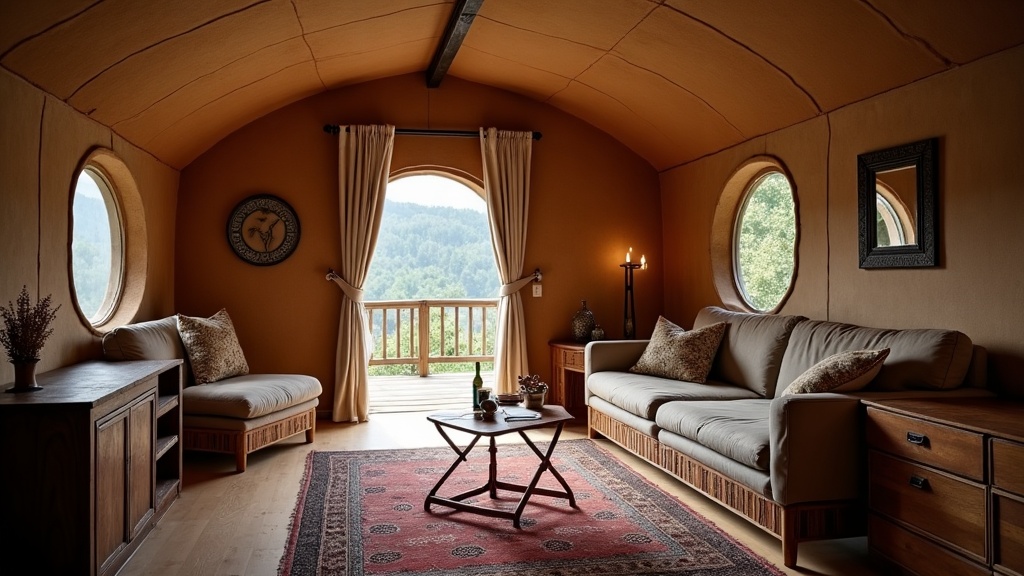
Discover the ultimate dragonyurts guide for off-grid living. Learn about structural layers, platform foundations, and maintenance for your circular dwelling.
Table of Contents
- Foundation and Platform Preparation
- Applying the dragonyurts guide to Structural Assembly
- Insulation and Canvas Layers
- Ventilation and Ongoing Maintenance
- Your Most Common Questions
- Comparing Shelter Approaches
- Practical Tips for Success
- Wrapping Up
Quick Summary
The dragonyurts guide is a comprehensive resource detailing the construction, maintenance, and optimization of circular canvas dwellings for off-grid living. It covers essential structural elements like the tension band, platform preparation, and multi-layer insulation to ensure long-lasting durability and interior comfort in diverse climates.
By the Numbers
- 6-foot wall height recommended for comfortable interior use (Silver Cat Off-Grid Design, 2026)[1].
- 3 structural layers commonly specified for walls (Trade Living Review, 2026)[2].
- 4 main fabric components in a standard build (Silver Cat Off-Grid Design, 2026)[1].
- 3 feet of clearance suggested around the platform (Trade Living Review, 2026)[2].
The dragonyurts guide provides the essential knowledge needed to transition from traditional housing to a sustainable circular dwelling. Whether you are planning an off-grid homestead or a commercial eco-lodge, understanding the unique architecture of these structures is critical. Unlike standard canvas tents, these buildings rely on a precise balance of compression and tension to withstand harsh weather. This article explores the foundational requirements, structural layers, and ongoing maintenance necessary for a successful build. We will also compare different setup approaches and share practical tips to maximize interior comfort. By following a reliable dragonyurts guide, you can create a resilient space that blends the romance of outdoor living with modern durability.
Foundation and Platform Preparation
A stable wooden platform serves as the critical foundation for any circular canvas structure. Before assembling the lattice wall, you must prepare the ground properly. Most experts recommend a minimum of two ground preparation layers, such as a compacted gravel pad topped with a heavy-duty vapor barrier (Silver Cat Off-Grid Design, 2026)[1]. This prevents moisture from wicking up into the floor covering. When building the deck, ensure there is at least 3 feet of clearance around the perimeter for proper drainage and maintenance access (Trade Living Review, 2026)[2].
Marisol Greene, a sustainable housing researcher, emphasizes this point: “Treat your dragonyurt platform like the foundation of a house: if the deck is level, dry, and insulated, everything else about your off-grid setup becomes easier and more durable” (Trade Living Review, 2026)[2]. A poorly constructed base will lead to sagging floors and compromised structural integrity. The foundation deck must also support the immense downward and outward forces generated by the roof rafters. Incorporating rigid foam insulation between the floor joists helps maintain interior comfort during freezing winters. By prioritizing a robust base, you ensure the longevity of your entire glamping setup or permanent residence.
Applying the dragonyurts guide to Structural Assembly
The structural integrity of a circular dwelling relies entirely on the precise assembly of its wooden framework and tension elements. Once the platform is ready, the erection of the lattice wall begins. A typical build features a 6-foot wall height, which provides ample headroom and comfortable interior use without making the structure too difficult to heat (Silver Cat Off-Grid Design, 2026)[1]. As the lattice expands, the roof rafters are slotted into the central crown ring.
However, the most crucial component in any dragonyurts guide is the tension band. This heavy-duty strap or cable wraps around the top of the lattice wall, counteracting the outward thrust of the roof. Lynx Hart, an off-grid living consultant, explains the physics clearly: “A well-built dragonyurt lives or dies by its tension band; that single structural element is what turns a loose collection of lattice and rafters into a stormworthy circular home” (Silver Cat Off-Grid Design, 2026)[1]. If the band is too loose, the walls will bow outward, eventually causing the roof to collapse. Proper installation requires a turnbuckle or ratchet system to achieve the exact tension specified in your dragonyurts guide. Taking the time to measure and adjust this band ensures the building can withstand high winds and heavy snow loads.
Insulation and Canvas Layers
Achieving year-round climate control requires a strategic approach to multi-layer insulation and breathable natural fabrics. A standard build incorporates four distinct fabric components, including the inner liner, the insulation layer, the outer canvas, and the floor covering (Silver Cat Off-Grid Design, 2026)[1]. The wall system itself typically consists of three structural layers designed to trap heat while allowing moisture to escape (Trade Living Review, 2026)[2].
The innermost layer is usually a decorative, breathable cotton liner that hides the lattice and creates a finished interior look. Above this sits the core insulation, often made from reflective foil or recycled denim, which provides the primary thermal barrier. The exterior waterproof canvas shields the insulation from rain, snow, and ultraviolet degradation. Rowan Delacroix, an outdoor retreat planner, notes the broad appeal of this design: “Dragonyurts have become the centerpiece of many outdoor retreats because they combine the romance of a canvas tent with the longevity and comfort that guests expect from a cabin” (Cat Karma Creations, 2026)[3]. Properly securing these layers prevents drafts and eliminates condensation buildup. When installing the outer canvas, ensure it is pulled taut to prevent water pooling.
Ventilation and Ongoing Maintenance
Proper airflow and a strict maintenance schedule are essential to preserve the condition of your outdoor retreat. A properly sized crown vent at the roof peak, combined with operable windows, creates a natural convection current that exhausts stale air. Neglecting this feature is a common error that turns a premium eco-suite into a stuffy tent. Beyond ventilation, routine upkeep is vital to protect your investment.
You should inspect the tension band every 6 months to ensure it has not stretched or slipped (Trade Living Review, 2026)[2]. Washing the exterior canvas once a year removes dirt and organic debris that can degrade the waterproof coating (Trade Living Review, 2026)[2]. Additionally, the exposed wooden lattice and door frame require re-treatment with a UV-resistant sealant every two years to prevent rot and sun damage (Trade Living Review, 2026)[2]. Following these intervals ensures your structure remains structurally sound and visually appealing for decades, fulfilling the promises of any comprehensive dragonyurts guide.
Your Most Common Questions
How long does it take to assemble a circular canvas dwelling?
Assembling the wooden framework and canvas layers typically takes two to four days for a small team of experienced builders. The foundation deck construction often requires an additional week, depending on the terrain and the complexity of the wooden platform. Having a detailed dragonyurts guide on hand streamlines the process by clarifying the sequence of lattice expansion and rafter installation.
Can these structures withstand heavy snow loads?
Yes, when built correctly, the steep pitch of the roof rafters and the central crown ring allow snow to slide off efficiently. The critical factor is maintaining the tension band, which prevents the walls from bowing outward under the weight. Regular winter inspections ensure the structural integrity remains intact during severe weather events.
What is the best way to heat an off-grid setup?
A wood-burning stove is the most popular choice for off-grid living, as it provides radiant heat and helps reduce interior humidity. The stovepipe must be routed through a specialized heat shield installed in the wall or roof. Proper insulation layers are essential to retain this heat and minimize fuel consumption throughout the winter months.
Do I need a building permit for a glamping setup?
Permit requirements vary significantly by local jurisdiction. Because these structures are often classified as temporary or semi-permanent, they may bypass strict residential building codes. However, you must always consult your local zoning office to verify regulations regarding foundation decks, electrical wiring, and commercial eco-lodge operations before beginning construction.
Comparing Shelter Approaches
Choosing the right shelter depends on your budget, climate, and intended use. While traditional cabins offer permanent solidity, circular canvas dwellings provide a unique blend of mobility and comfort that standard tents cannot match. The table below highlights the key differences between these popular outdoor housing options.
| Feature | Traditional Cabin | dragonyurts guide Build | Standard Canvas Tent |
|---|---|---|---|
| Setup Time | Months | Days | Hours |
| Insulation | High (Fiberglass/Foam) | Medium (Reflective/Denim) | Low (Single Layer) |
| Structural Lifespan | 50+ Years | 15–20 Years | 2–5 Years |
| Relocatability | None | High | Very High |
Practical Tips for Success
Maximizing the efficiency and lifespan of your circular dwelling requires attention to detail during both the planning and operational phases. Here are several actionable strategies to enhance your build:
- Optimize Solar Gain: Position your main windows and door facing south to capture passive solar heat during the winter, while using overhangs to block high summer sun.
- Install a Ground Skirt: Attach an insulated skirt around the base of the wooden platform to prevent cold air from circulating beneath the floor covering.
- Use LED Lighting: Pair your renewable energy systems with low-draw LED fixtures to minimize battery drain during extended periods of cloudy weather.
For more detailed advice on integrating solar panels and composting toilets, review these off-grid living tips. Additionally, exploring various sustainable housing options can help you tailor your interior layout to your specific lifestyle needs.
For more about Dragonyurts guide, see see how dragonyurts guide works.
Wrapping Up
Building a resilient circular home requires a deep understanding of tension physics, multi-layer insulation, and proactive maintenance. By following a comprehensive dragonyurts guide, you can create a beautiful, stormworthy space that serves as either a serene personal retreat or a profitable eco-lodge. Prioritize a level foundation, monitor your tension band regularly, and ensure adequate ventilation to protect your investment. Ready to start your build? Check out our circular dwelling setup tutorials for step-by-step visual instructions.
Sources & Citations
- The Ultimate dragonyurts guide for Off-Grid Living. Silver Cat Off-Grid Design via Silver Cat Jewelry.
https://www.silver-cat-jewelry.com/dragonyurts-guide/ - The Ultimate dragonyurts guide for Off-Grid Living. Trade Living Review.
https://www.tradelivingreview.com/dragonyurts-guide/ - The Ultimate Dragonyurts Guide For Outdoor Retreats. Cat Karma Creations.
https://www.catkarmacreations.com/dragonyurts-guide/