
The expanded clubs world cup represents a major shift in international club football. This article explains the new 32-team format, qualification process, and what the tournament means for global football.
Table of Contents
- A New Era: The 32-Team Format
- How Teams Qualify for the Tournament
- Impact on Global Club Football
- Key Matches and Memorable Moments
- Frequently Asked Questions
- Comparison: Old Format vs. New Format
- Practical Tips for Fans
- Final Thoughts
Quick Stats: Clubs World Cup
- The expanded 2025 FIFA Club World Cup features 32 teams from across all six FIFA confederations (FIFA, 2025)[1].
- European clubs receive 12 of the 32 slots in the new format (FIFA, 2025)[1].
- Real Madrid hold the record for most titles with 5 championships under the competition’s various formats (FIFA, 2025)[2].
- The inaugural expanded tournament lasted 30 days, from 14 June to 13 July 2025 (FIFA, 2025)[3].
A New Era: The 32-Team Format
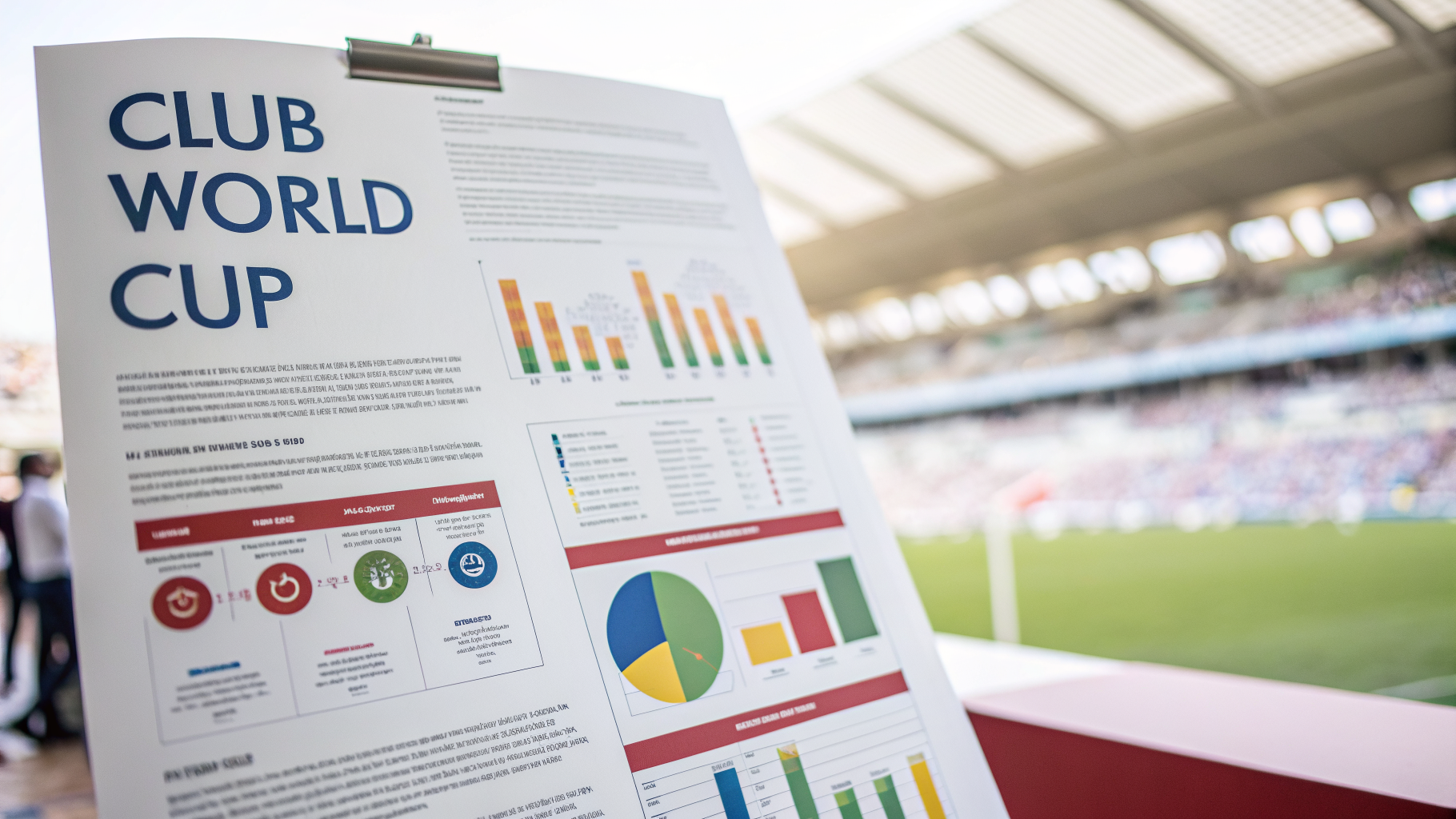
The clubs world cup has undergone its most significant transformation since the tournament’s inception. The 2025 edition marked the first time the competition featured 32 teams, a dramatic increase from the previous seven-team format. This expansion aligns with FIFA’s vision to create a global club competition that truly mirrors the prestige and structure of the FIFA World Cup.
Under the new format, the tournament is divided into a group stage followed by a knockout phase. The group stage consists of 8 groups of 4 teams each, with every team playing three group matches (FIFA, 2025)[1]. This structure guarantees each participating club a minimum of three matches, providing a more substantial competitive experience compared to the earlier format where some teams only played a single match.
The allocation of slots across confederations reflects the competitive balance of global club football. European clubs receive the largest share with 12 slots, followed by South America with 6 slots (FIFA, 2025)[1]. Africa, Asia, and North/Central America & Caribbean each receive 4 slots, while Oceania has 1 direct slot in addition to 1 slot reserved for the host nation (FIFA, 2025)[1]. This distribution aims to ensure representation from every corner of the footballing world while maintaining competitive balance.
FIFA President Gianni Infantino described the tournament as “a game-changer, offering clubs from every continent a unique opportunity to compete for a global title in a format that mirrors the FIFA World Cup” (FIFA, 2025)[4]. The 30-day tournament duration, scheduled during the traditional off-season for many European leagues, was designed to fit into the international match calendar without unduly disrupting domestic competitions.
How Teams Qualify for the Tournament
Qualification for the expanded clubs world cup follows a structured pathway based on performance in each confederation’s premier club competitions. Unlike the previous format where winners of continental tournaments automatically qualified, the new system uses results from a four-year period (2021–2024) to determine participating teams (FIFA, 2025)[5].
For European clubs, qualification is determined by performance in the UEFA Champions League over the four-year cycle. The 12 allocated slots are distributed among clubs that won or performed strongly in the Champions League during the 2021–2024 period. Similarly, South American clubs qualify through their performance in the Copa Libertadores, with the 6 slots going to the most successful clubs from that confederation.
This qualification system ensures that the clubs world cup field represents the best teams from each confederation over a sustained period, rather than rewarding a single season’s success. Arsène Wenger, FIFA’s Chief of Global Football Development, noted that “with 32 teams and a group-stage format, the Club World Cup will provide a more meaningful number of competitive matches between clubs from different confederations than ever before” (FIFA, 2025)[6].
The host nation’s domestic league champion receives an automatic berth, while the remaining slots are filled through confederation-specific qualification pathways. This comprehensive approach to qualification has made the tournament more inclusive while maintaining high competitive standards.
Impact on Global Club Football
The expanded clubs world cup has significant implications for the global football landscape. For European clubs, the tournament presents both a challenge and an opportunity. UEFA President Aleksander Čeferin acknowledged that the competition “represents both a challenge and an opportunity for European clubs, who will now face sustained competition from the very best teams from other continents in a condensed tournament” (UEFA, 2025)[7].
From a commercial perspective, the tournament has generated substantial interest from broadcasters and sponsors. The 30-day event in the United States provided a platform for clubs to expand their global fan bases and attract new commercial partnerships. The competition’s timing during the summer window also allowed clubs to use the tournament as a high-profile pre-season preparation for their domestic campaigns.
The clubs world cup also serves as a bridge between different football cultures. Matches between European and South American clubs, historically limited to friendly exhibitions or the now-defunct Intercontinental Cup, now occur regularly within a competitive framework. This cross-continental competition helps raise the standard of football globally by exposing players, coaches, and administrators to different tactical approaches and playing styles.
FIFA’s Chief Legal & Compliance Officer, Emilio García Silvero, emphasized that “from a regulatory and scheduling perspective, the Club World Cup has been carefully designed to fit into the international match calendar while protecting players’ welfare and the interests of domestic leagues” (FIFA, 2025)[8]. This careful planning has helped mitigate concerns about player fatigue and schedule congestion.
Key Matches and Memorable Moments
The inaugural 32-team clubs world cup produced several memorable moments. Chelsea became the first champions of the expanded format by defeating Paris Saint-Germain 3–0 in the final (FIFA, 2025)[3]. This victory marked a significant achievement for the London club, demonstrating the increasing competitiveness of English clubs in global competitions.
Real Madrid, who hold the record for the most FIFA Club World Cup titles with five championships (FIFA, 2025)[2], entered the tournament as one of the favorites. While they did not win the 2025 edition, their participation highlighted the historical significance of the competition and the prestige associated with winning it.
The group stage produced several upsets, with teams from Asia and Africa proving competitive against their European and South American counterparts. These results demonstrated that the gap between confederations is narrowing, validating FIFA’s decision to expand the tournament and provide more opportunities for cross-continental competition.
Chelsea co-owner Todd Boehly reflected on the victory, stating that “winning the first Club World Cup under the new 32-team format shows how global club football has become and how important this competition will be commercially and sportingly going forward” (Chelsea FC, 2025)[9]. This sentiment captures the broader significance of the tournament as a milestone in the globalization of club football.
Important Questions About Clubs World Cup
How many teams are in the new clubs world cup?
The expanded clubs world cup features 32 teams from across all six FIFA confederations (FIFA, 2025)[1]. This is a significant increase from the previous format, which typically included only 7 teams. The 32 teams are divided into 8 groups of 4 teams each, with each team playing three group matches before the knockout stage begins.
How often is the clubs world cup played?
The clubs world cup is now scheduled to be played every four years, aligning with the international match calendar. The inaugural expanded tournament took place from 14 June to 13 July 2025 in the United States (FIFA, 2025)[3]. This quadrennial schedule mirrors that of the FIFA World Cup and allows for better planning by clubs, leagues, and national associations.
Which clubs qualify for the clubs world cup?
Qualification for the clubs world cup is based on performance in each confederation’s premier club competitions over a four-year period (2021–2024) (FIFA, 2025)[5]. European clubs qualify through UEFA Champions League performance, South American clubs through the Copa Libertadores, and clubs from other confederations through their respective continental tournaments. The host nation also receives an automatic berth.
How does the clubs world cup affect domestic leagues?
The clubs world cup has been carefully designed to minimize disruption to domestic leagues. The tournament is scheduled during the traditional off-season for most European leagues, and FIFA has worked to ensure it fits into the international match calendar while protecting players’ welfare (FIFA, 2025)[8]. However, the additional matches do add to the overall workload for top players, a concern that football authorities continue to monitor.
Comparison: Old Format vs. New Format
The transition from the old seven-team format to the new 32-team structure represents a fundamental change in how the clubs world cup operates. The table below highlights the key differences between the two formats.
| Aspect | Old Format (Pre-2025) | New Format (2025 Onwards) |
|---|---|---|
| Number of Teams | 7 teams | 32 teams |
| Qualification Period | Single season | 4-year cycle (2021–2024) |
| Group Stage | None (direct knockout) | 8 groups of 4 teams |
| Tournament Duration | ~10 days | 30 days |
| Host Nation | Rotating annually | Fixed quadrennial host |
Practical Tips for Fans
For fans looking to follow the clubs world cup, several practical considerations can enhance the experience. First, understanding the qualification process helps identify which teams are likely to participate in future editions. Following continental tournaments like the UEFA Champions League and Copa Libertadores provides early indicators of potential qualifiers.
Second, the tournament’s 30-day schedule means matches are spread across multiple time zones, particularly when the host nation is in a different region. Fans should plan their viewing schedules accordingly and take advantage of streaming services that offer comprehensive coverage. The comprehensive football tournament guide on superlewiss provides useful information for planning your viewing experience.
Third, attending the tournament in person offers a unique opportunity to experience global club football. The host nation typically offers a range of ticket options and travel packages. For those unable to attend, following official FIFA channels and reputable football news sources provides up-to-date information on match results, standings, and tournament developments. You can also explore global sports event coverage for additional insights.
Key Takeaways
The clubs world cup has entered a new era with its expansion to 32 teams, offering a truly global platform for club competition. The tournament’s four-year qualification cycle, group-stage format, and 30-day schedule provide a more meaningful and competitive experience for players and fans alike. Chelsea’s victory in the inaugural 2025 edition demonstrated the high level of competition and the prestige associated with winning this revamped tournament. As the clubs world cup continues to evolve, it promises to play an increasingly important role in shaping the future of global club football. For more analysis and updates on major football tournaments, explore the resources available on superlewiss.
Learn More
- FIFA Club World Cup 2025: Tournament Overview. FIFA.
https://www.fifa.com/en/tournaments/mens/club-world-cup/usa-2025 - Real Madrid: Most FIFA Club World Cup titles. FIFA.
https://www.fifa.com/en/tournaments/mens/club-world-cup - Chelsea crowned champions at inaugural expanded FIFA Club World Cup 25. Chelsea FC.
https://www.chelseafc.com/en/news - FIFA President hails expanded FIFA Club World Cup 2025 ahead of kick-off in the USA. FIFA.
https://www.fifa.com/en/tournaments/mens/club-world-cup/usa-2025/news - FIFA Club World Cup 2025 qualification pathway details. FIFA.
https://www.fifa.com/en/tournaments/mens/club-world-cup/usa-2025/news - Wenger: Expanded FIFA Club World Cup 2025 will raise global club standards. FIFA.
https://www.fifa.com/en/tournaments/mens/club-world-cup/usa-2025/news - UEFA President comments on European participation in the 2025 FIFA Club World Cup. UEFA.
https://www.uefa.com/insideuefa/news - FIFA Council approves regulations for the FIFA Club World Cup 2025. FIFA.
https://www.fifa.com/legal/news - Chelsea crowned champions at inaugural expanded FIFA Club World Cup 25. Chelsea FC.
https://www.chelseafc.com/en/news
For more about Hello world, see Hello World.